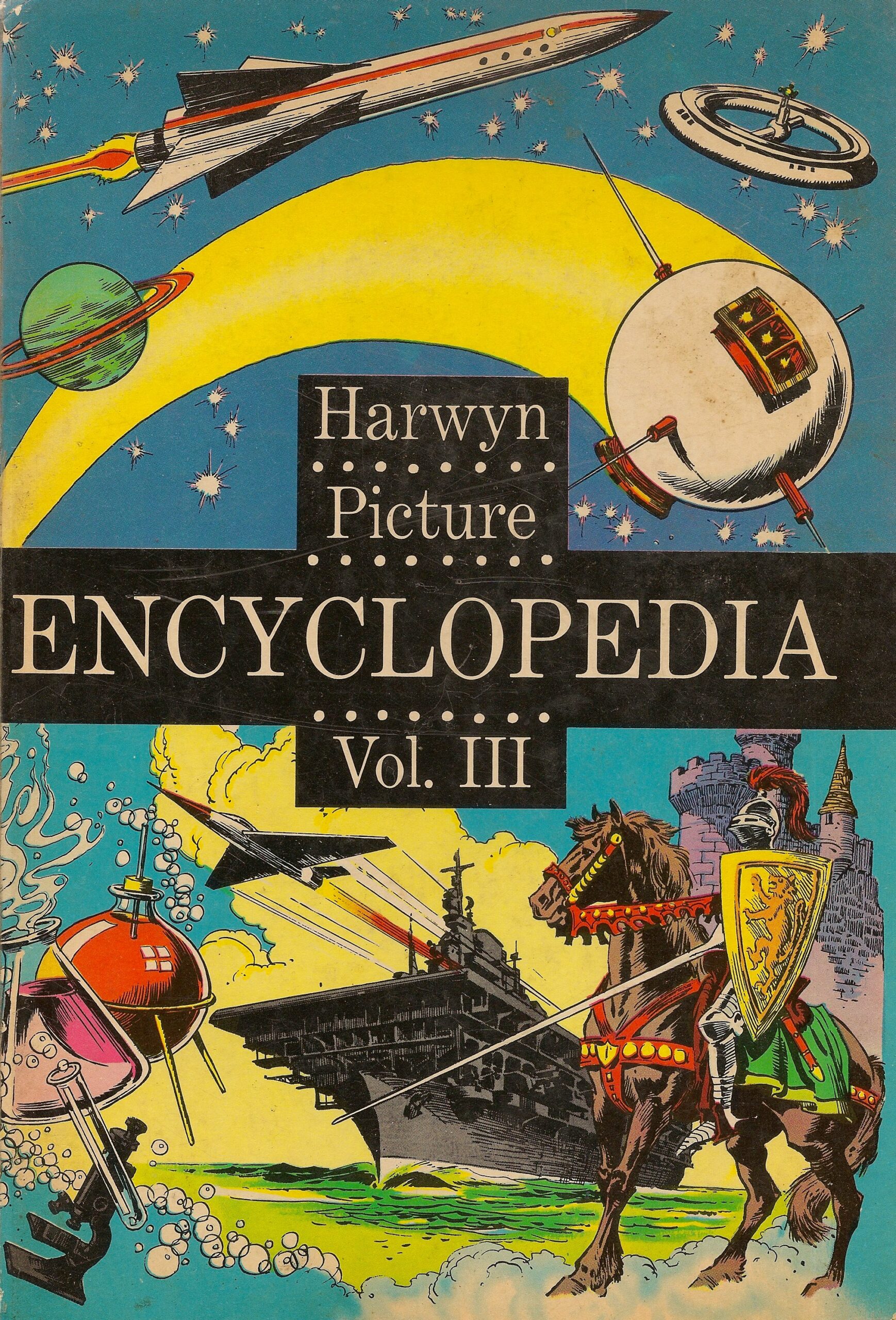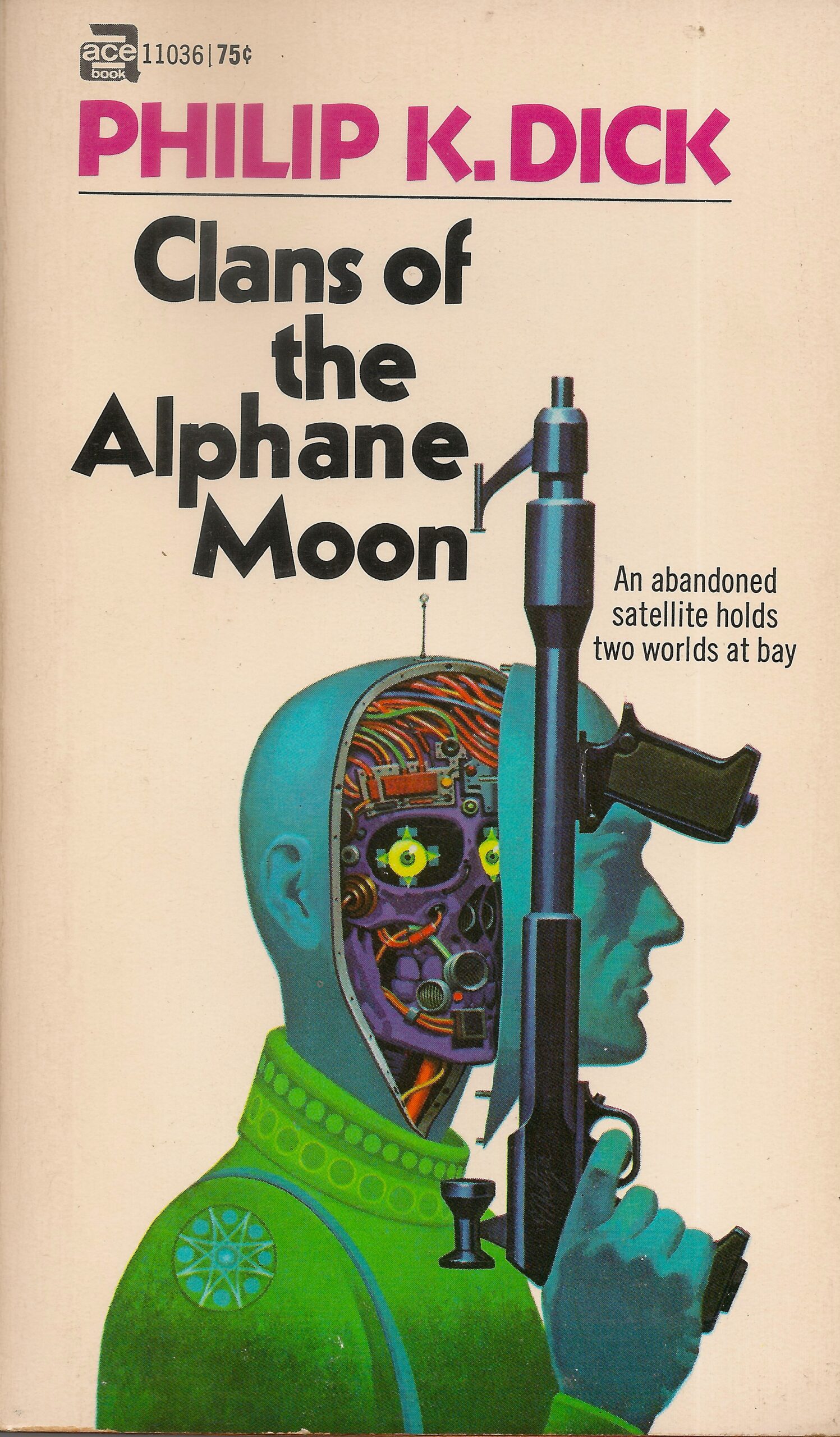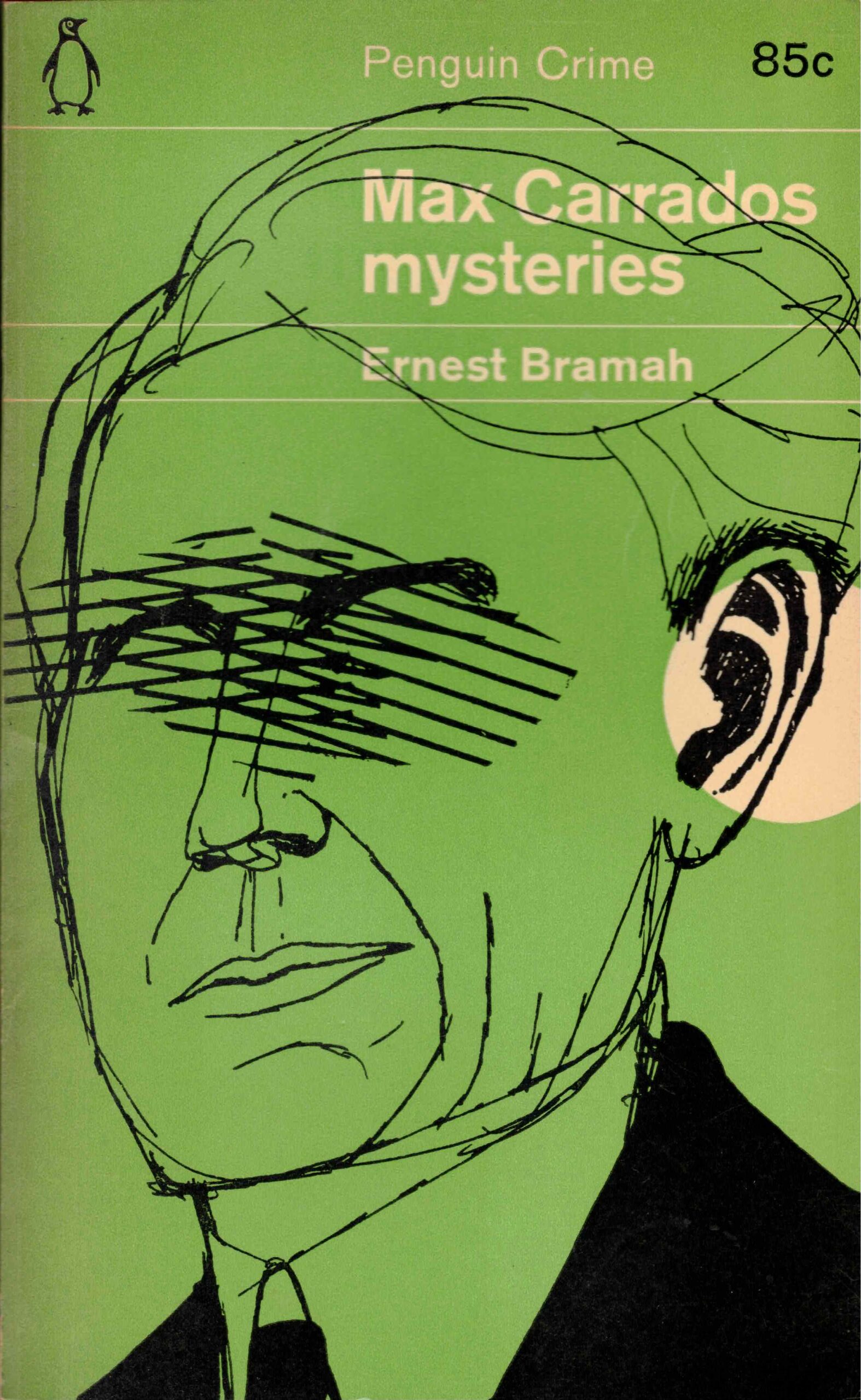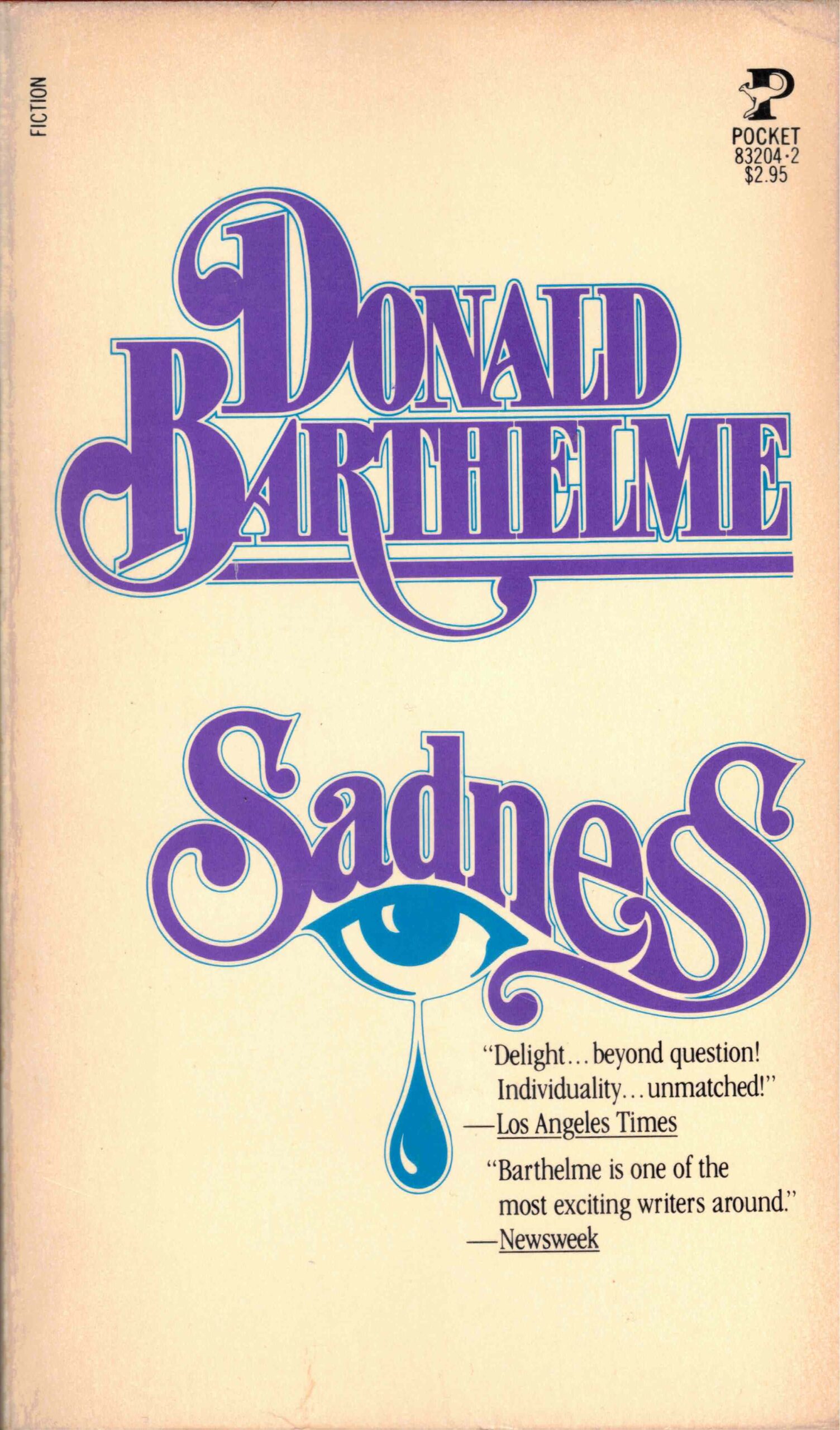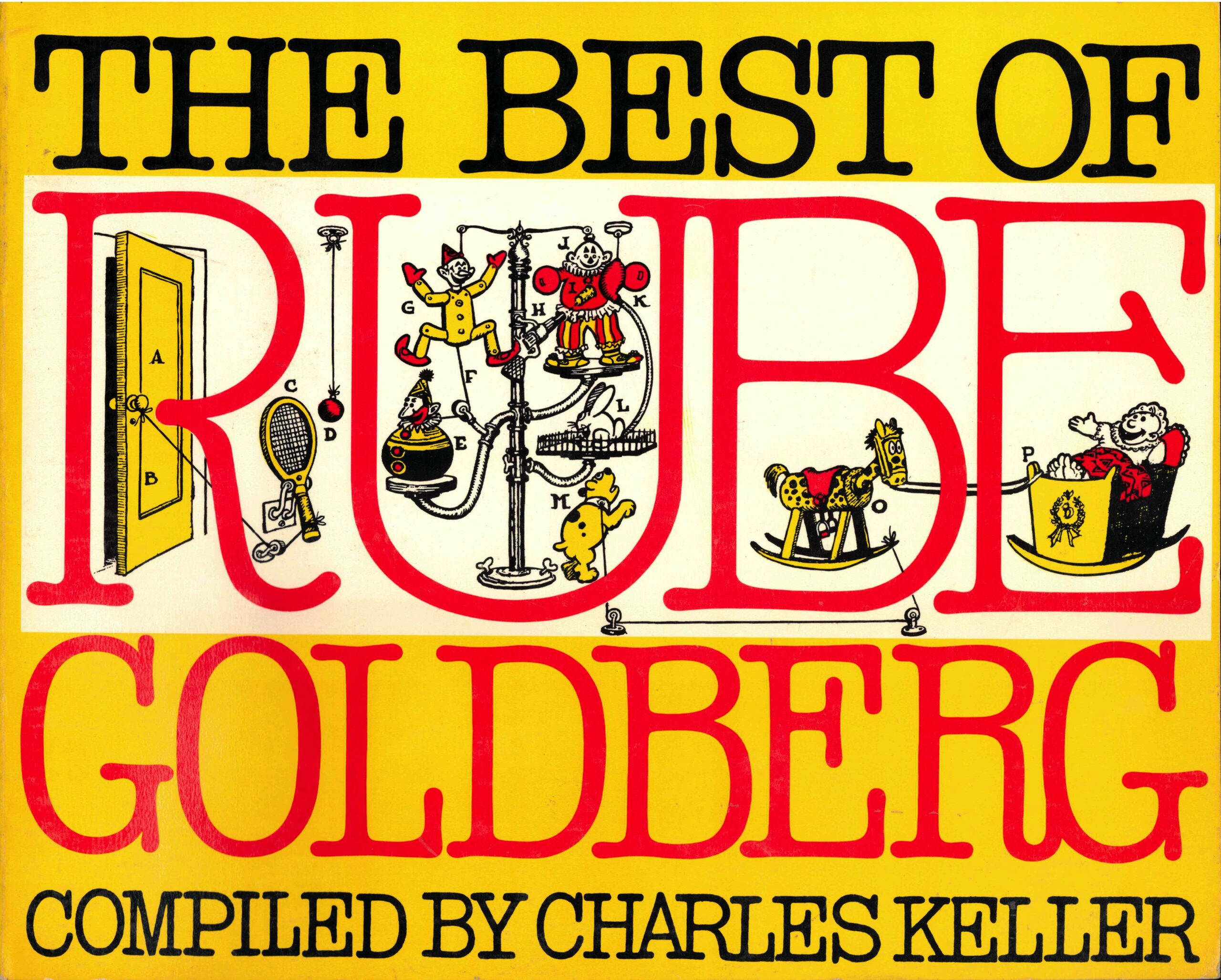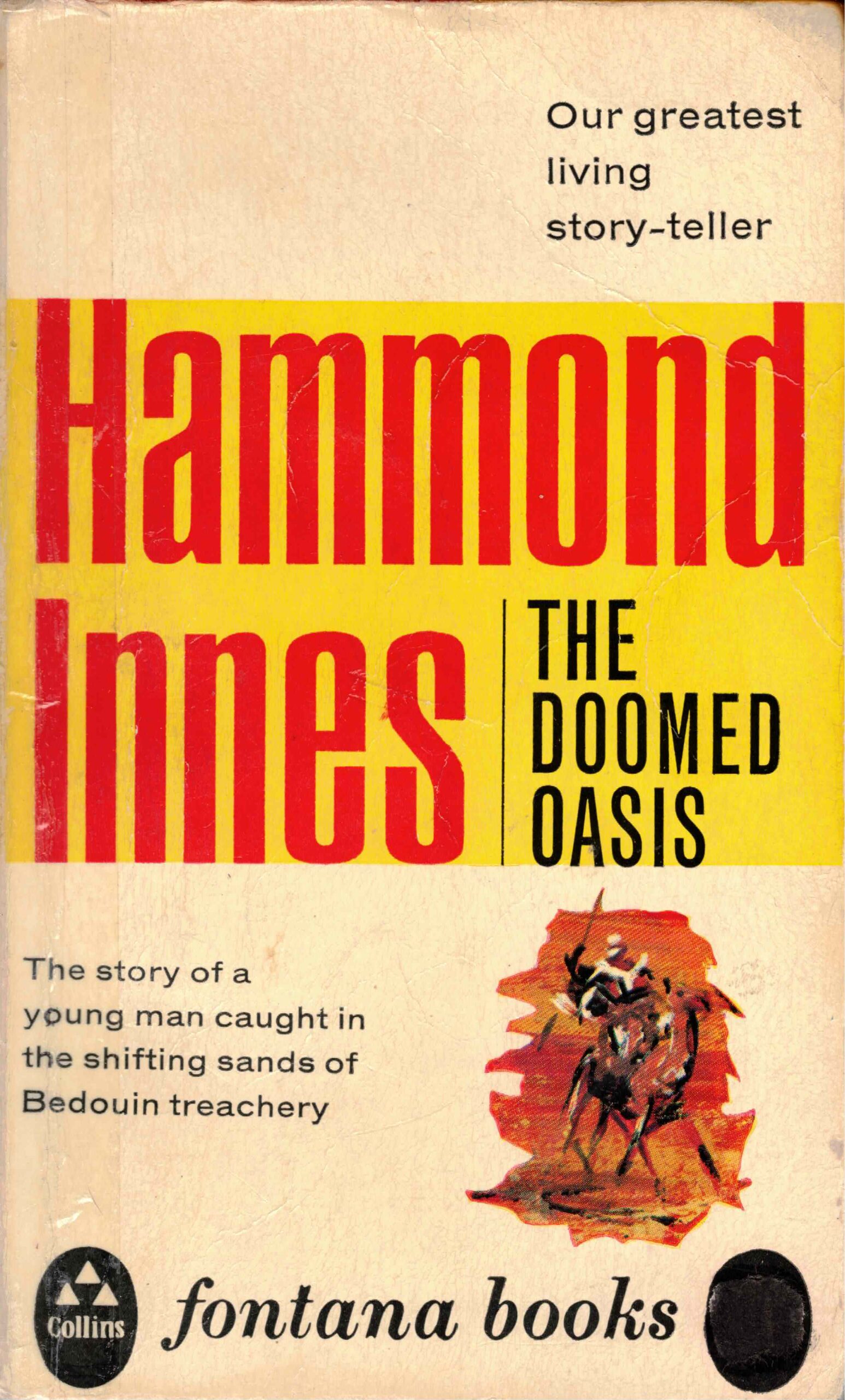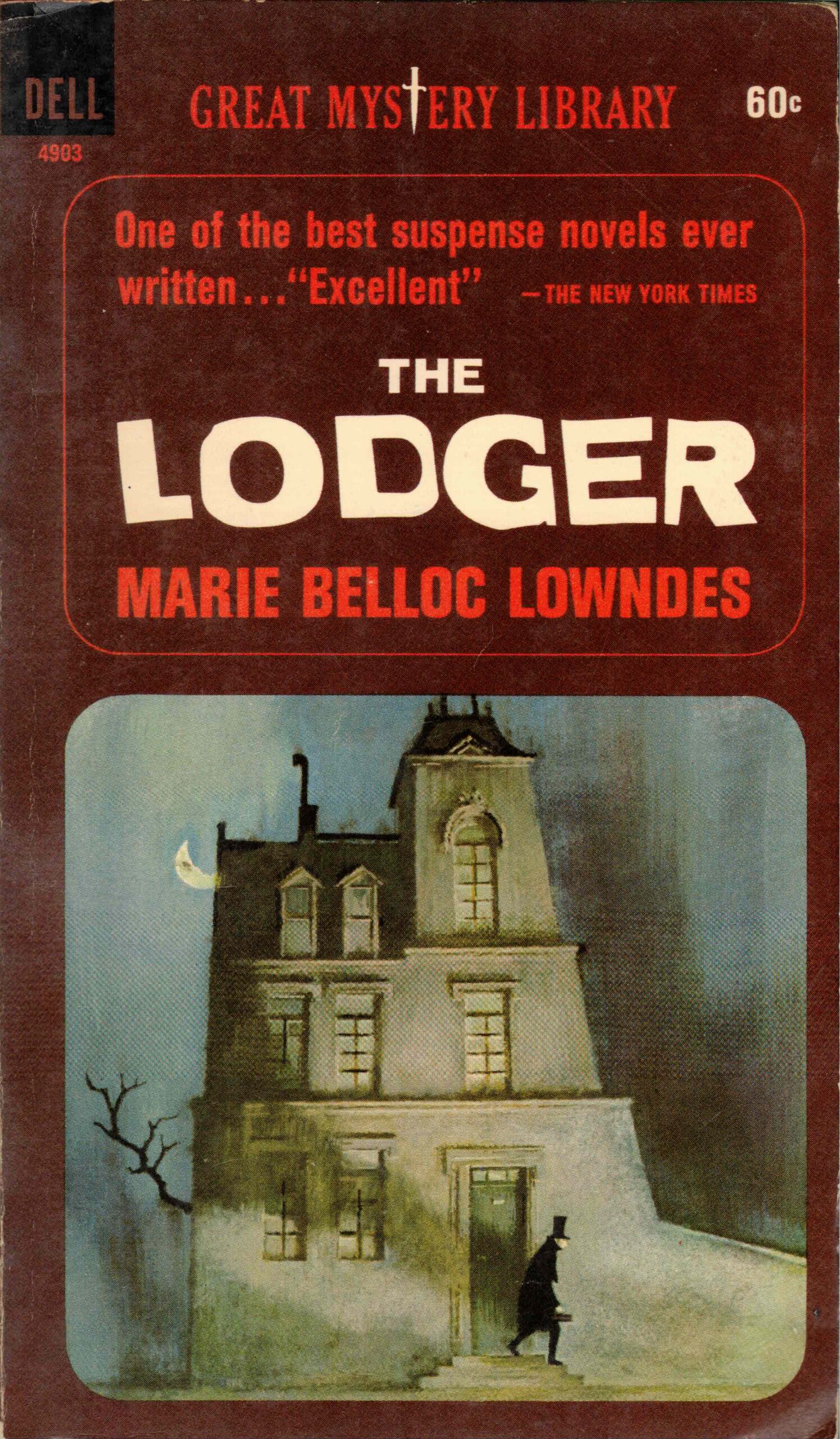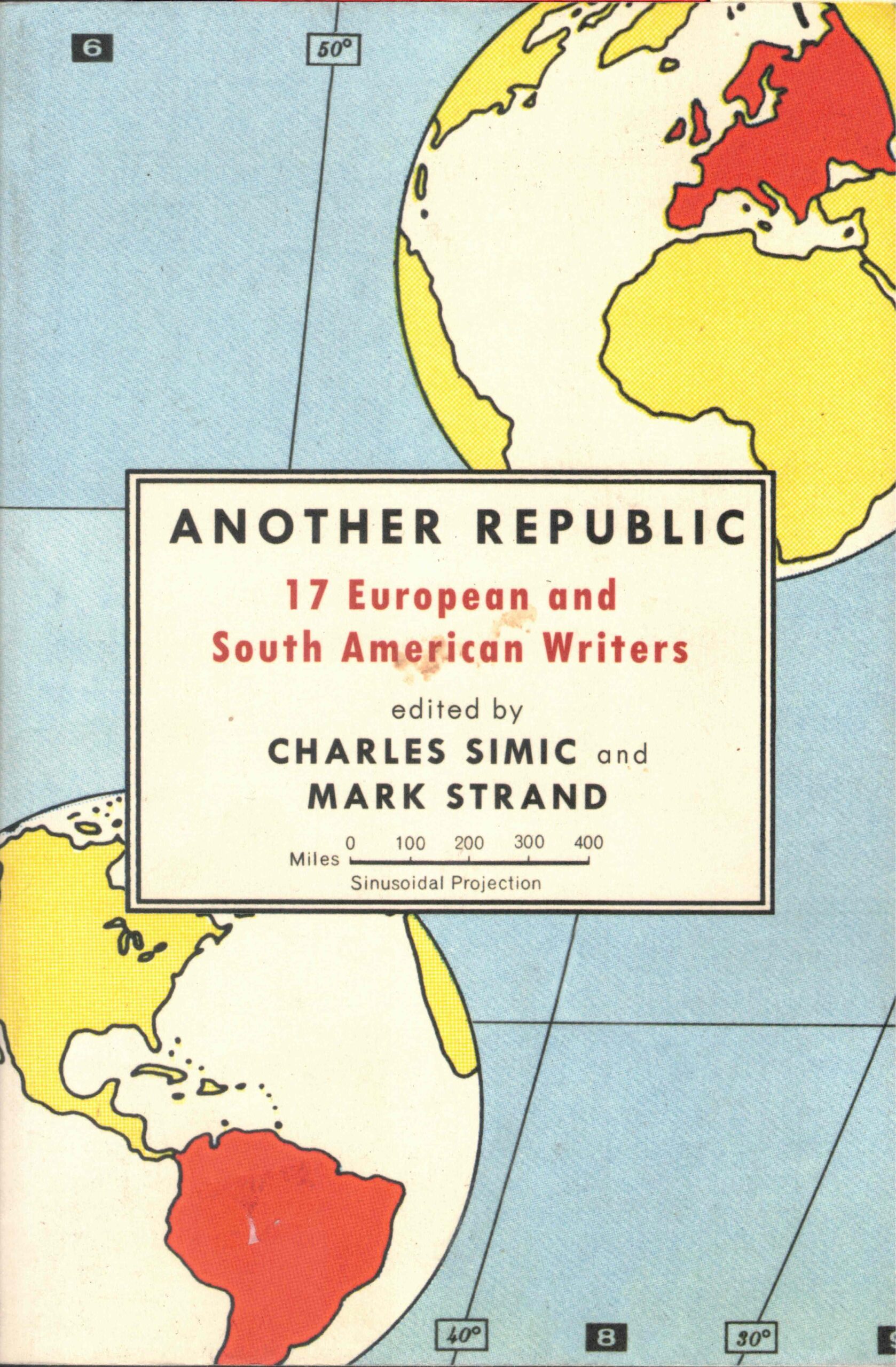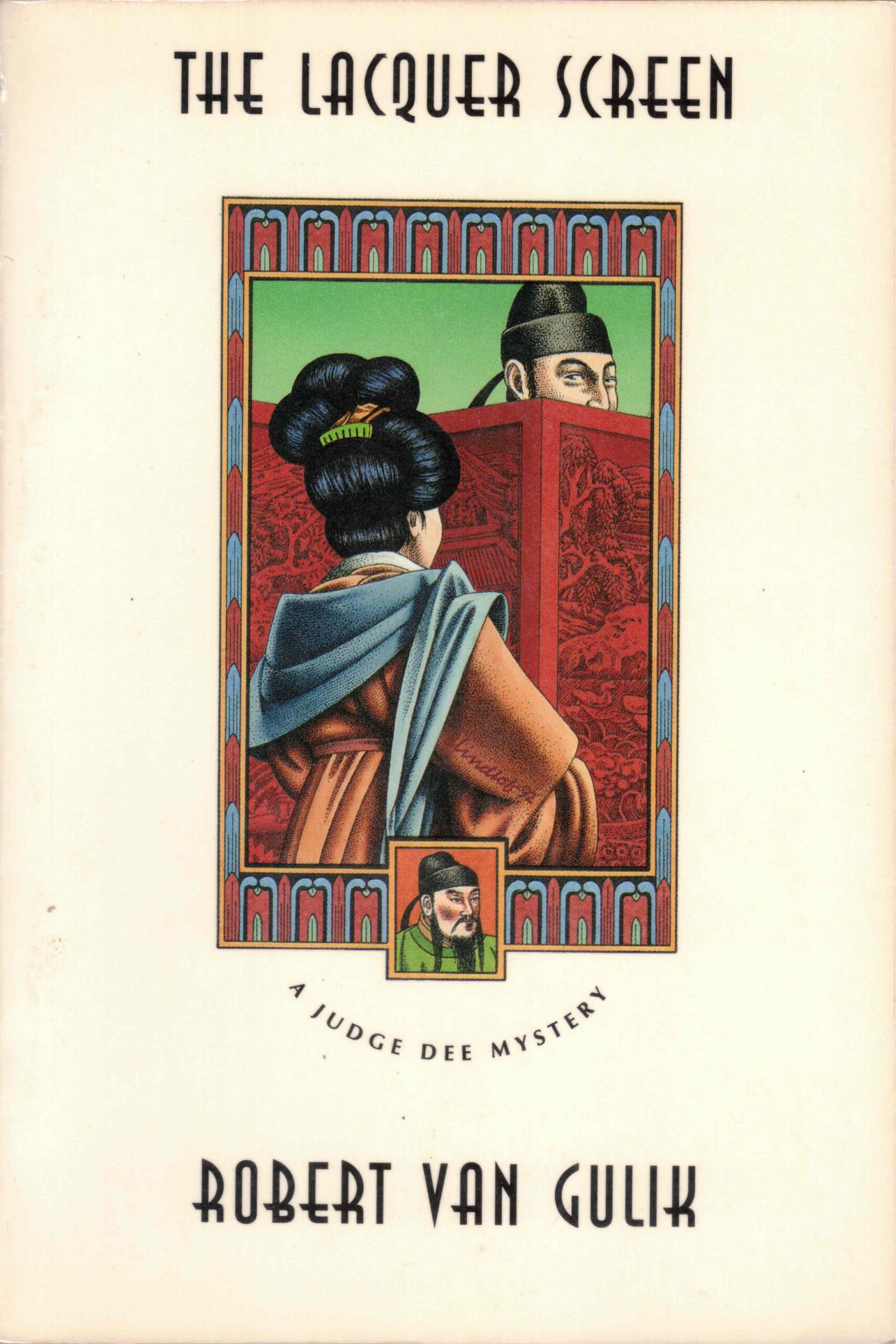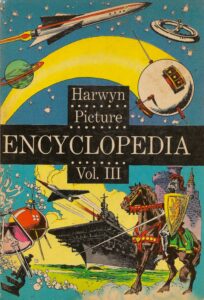
I won’t apologize for how long I’ve taken to get this book listing to you, will only rationalize and make the excuse that September was quite a busy (and hot!) month for me this year. But here anyway is the list that I promised you (with the caveat “Maybe!” (though that applied to the ‘see you soon’ sort of a promise)), my last century of books read in (I’ll have to trademark this phrase) my silly little book tracking project. As mentioned in my original announcement of achieving 1900 books read, the first book of the last hundred was this cool volume of a brightly colored kids’ encyclopedia. Volume III of the Harwyn Picture Encyclopedia was a crazy time capsule from 1958, when Electronics is just about to change … well, everything, and jet Engines are almost brand spanking new. The illustrations are also a blast, though I’ve mentioned how inaccurate they were in that post referenced above.
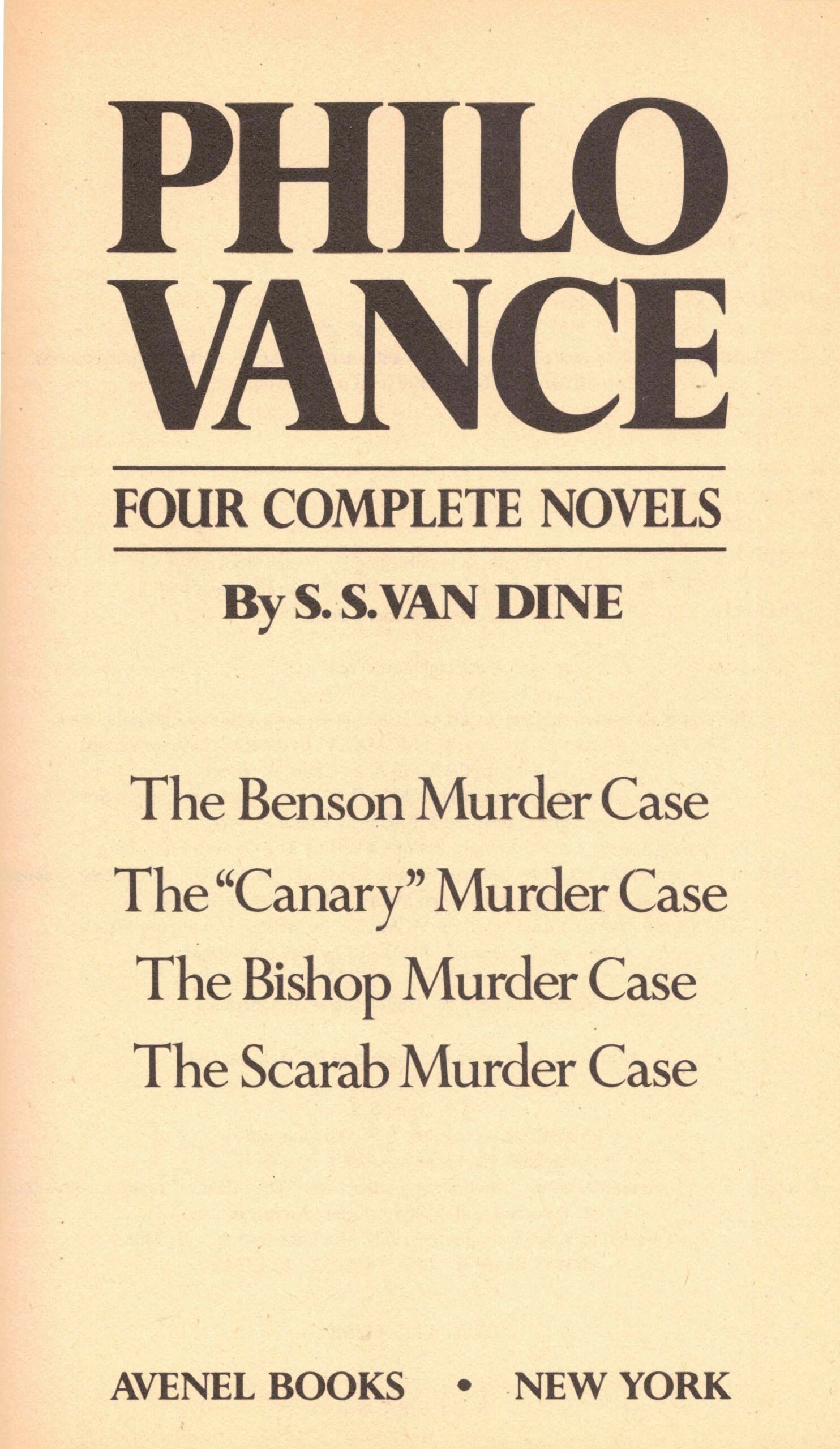
There were several good books in this first set of ten, but the overwhelming number of comics read will be the initial obvious impression. As I may, or may not, have already mentioned, I’ve been trying to achieve parity in my book intake/outtake, by which I mean that I have been trying for some little time (a quick glance at my data shows I began this in 2024) to have the number of books read at least equal the number of new books I’ve acquired. Thus, when I purchased a hundred comic books at a big sale in May of this year, I had to step up my comic book reading game, with what results you shall see. The book I’m highlighting here, however, is a compendium of four novels from the classic Golden Age of Mysteries, Philo Vance: Four Complete Novels (The Benson Murder Case / The “Canary” Murder Case / The Bishop Murder Case / The Scarab Murder Case), four of the first five novels by the pseudonymous S. S. Van Dine featuring the titular detective. (Sorry for the title page image; my copy has no dust jacket, but you can just imagine the standard Avenel edition made for remainder tables in the ’80s.) These are truly exceptional mysteries and Vance is a detective sui generis. These four mystery novels written in the 1920s (well, The Scarab Murder Case is from 1930) are of the puzzle variety, so will annoy some modern readers, and I have to admit that I figured out 3 of the 4—the first 2 almost within the first few chapters. But even so I found the erudite Philo Vance to be one of the most interesting characters I’ve stumbled over in mystery fiction. Interesting as well is the evolution of the character from a ‘locked room’ specialist in the first books to a master of the psychological aspects of the cases in the later tomes. Now I’m looking forward to reading my next Van Dine novel, and perhaps I’ll learn why they dropped the 3rd in the series from this collection.
| # |
Read |
Author |
Title |
Genre |
| 1801 |
5/4/26 |
Harwyn Publishing Corporation |
Harwyn Picture Encyclopedia Vol. III |
Children’s |
|
5/5/26 |
Mike Baron |
Badger #49 |
Comics |
|
5/5/26 |
Mike Baron |
Badger #50 |
Comics |
|
5/5/26 |
Mike Baron |
Badger #51 |
Comics |
|
5/5/26 |
Mike Baron |
Badger #52 |
Comics |
|
5/5/26 |
Mike Baron |
Badger #53 |
Comics |
|
5/5/26 |
Mike Baron |
Badger #54 |
Comics |
|
5/6/26 |
Mike Baron |
Badger Goes Berserk #1 |
Comics |
|
5/7/26 |
Mike Baron |
Badger Goes Berserk #2 |
Comics |
|
5/7/26 |
Mike Baron |
Badger Goes Berserk #3 |
Comics |
|
5/7/26 |
Mike Baron |
Badger Goes Berserk #4 |
Comics |
| 1802 |
5/9/26 |
S. S. Van Dine |
Philo Vance: Four Complete Novels (The Benson Murder Case / The “Canary” Murder Case / The Bishop Murder Case / The Scarab Murder Case) |
Mystery |
|
5/10/26 |
Russ Cochran, ed. |
Tales From The Crypt Presents The Haunt Of Fear No. 1 |
Comics |
|
5/10/26 |
Russ Cochran, ed. |
Tales From The Crypt Presents The Haunt Of Fear No. 2 |
Comics |
|
5/11/26 |
Will Eisner |
The Spirit No. 1: The Origin Years [Kitchen Sink] |
Comics |
|
5/11/26 |
Jon Morris |
The League Of Regrettable Superheroes (The Loot Crate Edition) |
Comics |
|
5/11/26 |
Russ Cochran, ed. |
Tales From The Crypt Presents The Vault Of Horror No. 2 |
Comics |
|
5/11/26 |
Michael Jan Friedman |
Star Trek: The Next Generation #63 |
Comics |
|
5/11/26 |
James Waley |
Power Comics No. 4 Starring the Northern Light |
Comics |
|
5/11/26 |
Russ Cochran, ed. |
Tales From The Crypt Presents The Haunt Of Fear No. 2 |
Comics |
|
5/12/26 |
Mike Baron & Steve Rude |
The Next Nexus #1 |
Comics |
|
5/12/26 |
Russ Cochran, pub. |
The Vault Of Horror No. 1 [Gladstone] |
Comics |
|
5/12/26 |
Arn Saba |
Neil The Horse Comics And Stories No. 4 |
Comics |
|
5/12/26 |
Arn Saba |
Neil The Horse Comics And Stories No. 7 |
Comics |
|
5/13/26 |
Max Collins & Terry Beatty |
Ms. Tree No. 10 |
Comics |
|
5/13/26 |
Max Collins & Terry Beatty |
Ms. Tree No. 11 |
Comics |
|
5/13/26 |
Russ Cochran, pub. |
The Vault Of Horror No. 4 [Gladstone] |
Comics |
|
5/13/26 |
Russ Cochran, pub. |
The Vault Of Horror No. 6 [Gladstone] |
Comics |
| 1803 |
5/13/26 |
Philip Kerr |
The Lady from Zagreb |
Mystery |
|
5/13/26 |
Scott Saavedra |
It’s Science with Dr. Radium #1 |
Comics |
|
5/14/26 |
John Ostrander & Timothy Truman |
Grimjack No. 11 |
Comics |
| 1804 |
5/14/26 |
Lewis Carroll; Henri Bué, trans. |
Aventures d’Alice au Pays des Merveilles |
Foreign Language |
|
5/14/26 |
John Ostrander & Tom Sutton |
Grimjack No. 20 |
Comics |
|
5/14/26 |
John Ostrander & Flint Henry |
Grimjack No. 40 |
Comics |
|
5/14/26 |
John Ostrander & Flint Henry |
Grimjack No. 55 |
Comics |
|
5/14/26 |
John Ostrander & Flint Henry |
Grimjack No. 60 |
Comics |
|
5/15/26 |
John Ostrander & Flint Henry |
Grimjack No. 64 |
Comics |
|
5/16/26 |
John Ostrander & Steve Pugh |
Grimjack No. 67 |
Comics |
|
5/16/26 |
John Ostrander & Steve Pugh |
Grimjack No. 68 |
Comics |
|
5/16/26 |
John Ostrander & Steve Pugh |
Grimjack No. 69 |
Comics |
| 1805 |
5/16/26 |
Dorothy L. Sayers |
Unnatural Death |
Mystery |
|
5/16/26 |
John Ostrander & Paul Guinan |
Grimjack No. 72 |
Comics |
|
5/16/26 |
John Ostrander & Flint Henry |
Grimjack No. 79 |
Comics |
|
5/16/26 |
Steve Moncuse |
Fish Police No. 4 |
Comics |
|
5/16/26 |
Chris Claremont & Alan Davis |
Excalibur No. 4 |
Comics |
|
5/16/26 |
Cory Doctorow |
Cory Doctorow’s Futuristic Tales of the Here and Now #5: I, Robot |
Comics |
|
5/16/26 |
Cory Doctorow |
Cory Doctorow’s Futuristic Tales of the Here and Now #6: After the Siege |
Comics |
| 1806 |
5/17/26 |
Ellis Parker Butler |
Pigs Is Pigs and Other Favorites |
Humor |
|
5/17/26 |
Dave Sim |
Cerebus Bi-Weekly No. 2 |
Comics |
|
5/17/26 |
Cliff Harper |
Class War Comix No. 1 |
Comics |
|
5/18/26 |
Dave Sim |
Cerebus No. 50 |
Comics |
|
5/18/26 |
Dave Sim |
Cerebus No. 51 |
Comics |
| 1807 |
5/18/26 |
Franklin W. Dixon |
The House on the Cliff |
Children’s |
| 1808 |
5/18/26 |
Terry Jones & Michael Palin |
Dr. Fegg’s Encyclopedia of All World Knowledge: (Formerly the Nasty Book) |
Humor |
| 1809 |
5/19/26 |
Franklin W. Dixon |
The Secret of the Old Mill |
Children’s |
|
5/19/26 |
Dave Sim |
Cerebus No. 56 |
Comics |
| 1810 |
5/19/26 |
Terry Deary |
The Vicious Vikings |
Children’s |
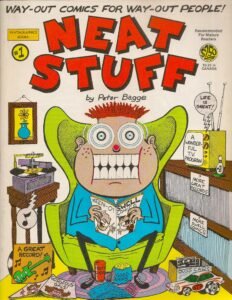
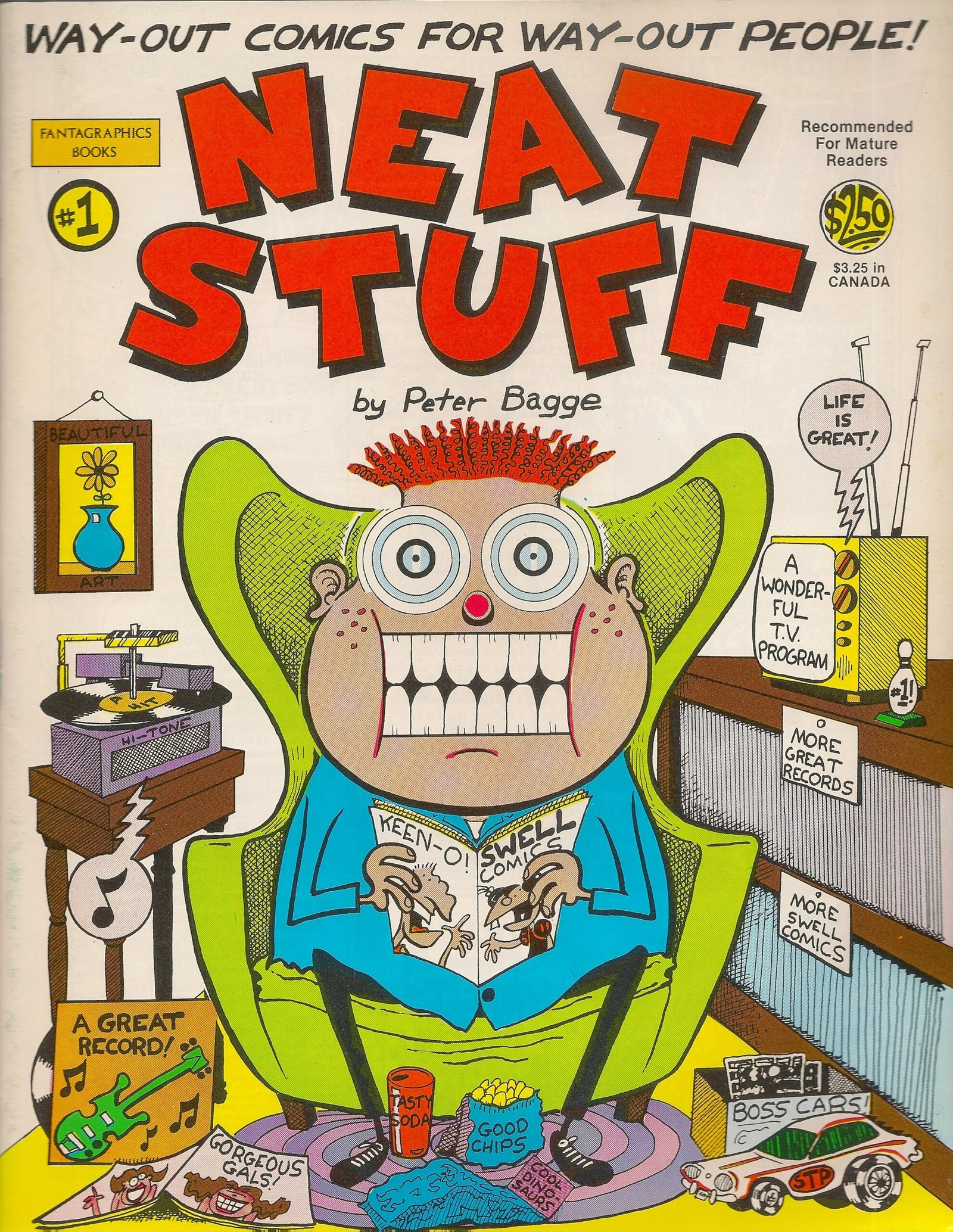
So much good stuff in this next slice of ten, and so many great comics! But besides Cerebus finally cooking with gas, and the awesome reprints of ’50s classic stuff, I have to highlight Peter Bagge’s first solo book, Neat Stuff #1. (Don’t salivate you nerds, this is a 2nd printing, though I did get the artist’s signature on the book back at San Diego Comic-Con in 2015—Ah! How time flies!) Before this series devolved into Buddy’s finally falling apart like so many of us did, Peter Bagge held us spellbound with his ‘slice-of-life’ insights and emotionally abstract art. This issue, like those that followed (and much of Hate as well), showed the artist as a freaking funny demented genius. Good stuff.

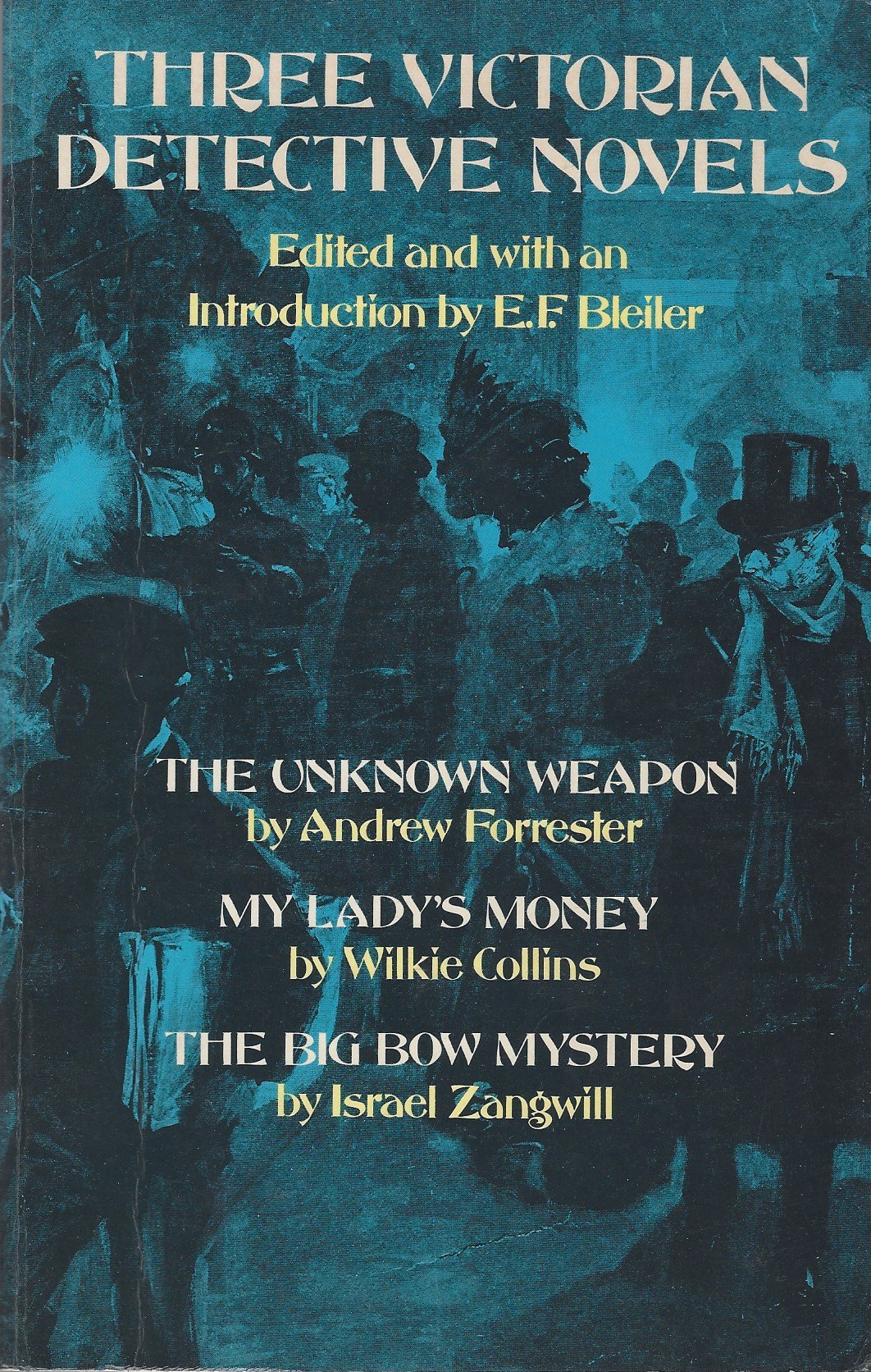
Tempting though it is to highlight Patricia Highsmith’s classic Ripley novel, that work needs no approbation from me. If you haven’t read it (I hadn’t), read it. But I’m going to highlight a book which will appeal to an even smaller tranche of the reading public, Three Victorian Detective Novels [The Unknown Weapon / My Lady’s Money / The Big Bow Mystery]. The works (they’re all pretty short, more like novellas in fact) were written respectively by Andrew Forrester, Wilkie Collins and Israel Zangwill, with an introduction by E.F. Bleiler. And perhaps the oldest offering (the Forrester work) is a little flat, but the other two books are excellent (though dry to some modern tastes), full of sparkling writing. Perhaps the ‘mysteries’ may be transparent to those of us who’ve read too many of these things, as the plots that were new to readers in the 19th Century may have been seen dozens of time to current readers. Still, there is plenty of novelty and intrigue here to fascinate. That Zangwill didn’t continue down this path is a shame.
| # |
Read |
Author |
Title |
Genre |
| 1811 |
5/19/26 |
Steven Saylor |
Last Seen in Massilia |
Mystery |
|
5/20/26 |
Dave Sim |
Cerebus No. 59 |
Comics |
|
5/20/26 |
Dave Sim |
Cerebus No. 66 |
Comics |
|
5/20/26 |
R. Crumb |
Mr. Natural #1 |
Comics |
|
5/20/26 |
Peter Bagge |
Neat Stuff #1 |
Comics |
|
5/20/26 |
Peter Bagge |
Neat Stuff #2 |
Comics |
|
5/20/26 |
Peter Bagge |
Neat Stuff #3 |
Comics |
|
5/20/26 |
Dave Sim |
Cerebus No. 70 |
Comics |
|
5/20/26 |
Dave Sim |
Cerebus No. 71 |
Comics |
|
5/20/26 |
Dave Sim |
Cerebus No. 73 |
Comics |
|
5/20/26 |
Dave Sim |
Cerebus No. 74 |
Comics |
|
5/21/26 |
William M. Gaines & A. Feldstein, eds. |
Panic (EC Classics, Number 10) |
Comics |
| 1812 |
5/21/26 |
Michael Morgan |
Nine More Lives |
Mystery |
|
5/21/26 |
Dave Sim |
Cerebus No. 75 |
Comics |
|
5/21/26 |
Dave Sim |
Cerebus No. 76 |
Comics |
|
5/22/26 |
Dave Sim |
Cerebus No. 77 |
Comics |
|
5/22/26 |
Dave Sim |
Cerebus No. 78 |
Comics |
|
5/22/26 |
Dave Sim |
Cerebus No. 79 |
Comics |
|
5/22/26 |
Dave Sim |
Cerebus No. 80 |
Comics |
|
5/22/26 |
Dave Sim |
Cerebus No. 81 |
Comics |
|
5/22/26 |
Dave Sim |
Cerebus No. 82 |
Comics |
|
5/22/26 |
Dave Sim |
Cerebus No. 83 |
Comics |
|
5/22/26 |
Dave Sim |
Cerebus No. 84 |
Comics |
|
5/22/26 |
Dave Sim |
Cerebus No. 85 |
Comics |
|
5/22/26 |
Dave Sim |
Cerebus No. 86 |
Comics |
|
5/22/26 |
Dave Sim |
Cerebus No. 87 |
Comics |
|
5/22/26 |
Dave Sim |
Cerebus No. 88 |
Comics |
|
5/22/26 |
Dave Sim |
Cerebus No. 89 |
Comics |
|
5/22/26 |
Dave Sim |
Cerebus No. 90 |
Comics |
|
5/23/26 |
Dave Sim |
Cerebus No. 91 |
Comics |
| 1813 |
5/23/26 |
Andrew Forrester, Wilkie Collins & Israel Zangwill (E.F. Bleiler, ed.) |
Three Victorian Detective Novels [The Unknown Weapon / My Lady’s Money / The Big Bow Mystery] |
Mystery |
| 1814 |
5/23/26 |
Tasha Tudor |
Mother Goose |
Children’s |
|
5/23/26 |
Dave Sim |
Cerebus No. 94 |
Comics |
|
5/23/26 |
Dave Sim |
Cerebus No. 95 |
Comics |
| 1815 |
5/23/26 |
Chad Nackers, ed. |
The Onion Vol. 62, Issue 14 – Apr.–May 2026 |
Humor |
|
5/23/26 |
Rajendra Sanjay |
Veer Hammir: The Story of a Famous Rajput Hero |
Comics |
|
5/23/26 |
Anand Prakash Singh |
Vikramaditya |
Comics |
|
5/23/26 |
Kamala Chandrakant |
Vishwamitra |
Comics |
|
5/24/26 |
Shankar Sultanpuri |
Begum Hazrat Mahal |
Comics |
|
5/24/26 |
Shankar Sultanpuri |
Architect of Freedom: Motilal Nehru |
Comics |
|
5/24/26 |
Dave Sim |
Cerebus No. 96 |
Comics |
|
5/24/26 |
Dave Sim |
Cerebus No. 97 |
Comics |
|
5/24/26 |
Dave Sim |
Cerebus No. 98 |
Comics |
|
5/24/26 |
Dave Sim |
Cerebus No. 99 |
Comics |
| 1816 |
5/24/26 |
Wylly Folk St. John |
The Secrets of the Pirate Inn |
Children’s |
|
5/24/26 |
Dave Sim |
Cerebus No. 100 |
Comics |
|
5/24/26 |
Dave Sim |
Cerebus No. 101 |
Comics |
|
5/24/26 |
Dave Sim |
Cerebus No. 102 |
Comics |
|
5/24/26 |
Dave Sim |
Cerebus No. 103 |
Comics |
|
5/24/26 |
Dave Sim |
Cerebus No. 105 |
Comics |
|
5/24/26 |
Mike Baron |
Badger No. 55 |
Comics |
|
5/24/26 |
Mike Baron |
Badger No. 56 |
Comics |
|
5/24/26 |
Mike Baron |
Badger No. 57 |
Comics |
|
5/24/26 |
Mike Baron |
Badger No. 58 |
Comics |
|
5/24/26 |
Dave Sim |
Cerebus No. 106 |
Comics |
|
5/25/26 |
Dave Sim |
Cerebus No. 107 |
Comics |
|
5/25/26 |
Dave Sim |
Cerebus No. 108 |
Comics |
| 1817 |
5/25/26 |
Michael Crichton [as John Lange] |
Easy Go |
Mystery |
|
5/25/26 |
Dave Sim |
Cerebus No. 109 |
Comics |
|
5/25/26 |
Dave Sim |
Cerebus No. 110 |
Comics |
|
5/25/26 |
Catherine Yronwode, ed. |
Mr. Monster’s True Crime #2 |
Comics |
|
5/26/26 |
Dave Sim |
Cerebus No. 114 |
Comics |
|
5/26/26 |
Dave Sim |
Cerebus No. 115 |
Comics |
|
5/26/26 |
Dave Sim |
Cerebus No. 116 |
Comics |
|
5/26/26 |
Dave Sim |
Cerebus No. 117 |
Comics |
|
5/26/26 |
Dave Sim |
Cerebus No. 118 |
Comics |
|
5/26/26 |
Jerome Siegel & Joe Shuster |
Famous First Edition Vol. 8 No. C-61 [Superman No. 1] |
Comics |
|
5/26/26 |
Dave Sim |
Cerebus No. 119 |
Comics |
| 1818 |
5/27/26 |
Patricia Highsmith |
The Talented Mr. Ripley |
Mystery |
|
5/27/26 |
Dave Sim |
Cerebus No. 120 |
Comics |
|
5/27/26 |
Dave Sim |
Cerebus No. 121 |
Comics |
|
5/27/26 |
Dave Sim |
Cerebus No. 122 |
Comics |
| 1819 |
5/27/26 |
William Gardner Smith |
The Stone Face |
Fiction |
|
5/27/26 |
Dave Sim |
Cerebus No. 123 |
Comics |
|
5/28/26 |
Dave Sim |
Cerebus No. 124 |
Comics |
|
5/28/26 |
Dave Sim |
Cerebus No. 125 |
Comics |
|
5/28/26 |
Dave Sim |
Cerebus No. 126 |
Comics |
|
5/28/26 |
Dave Sim |
Cerebus No. 127 |
Comics |
|
5/28/26 |
Dave Sim |
Cerebus No. 128 |
Comics |
|
5/28/26 |
Dave Sim |
Cerebus No. 129 |
Comics |
|
5/28/26 |
Dave Sim |
Cerebus No. 132 |
Comics |
|
5/28/26 |
Dave Sim |
Cerebus Jam No. 1 |
Comics |
| 1820 |
5/29/26 |
Michael Innes |
Hamlet, Revenge!: A Story in Four Parts |
Mystery |
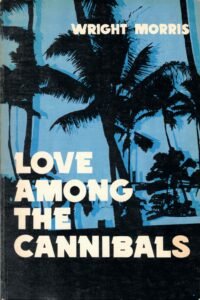
I am the hardest person to get books for: either I have it already, or it’s really not my kind of thing. So I was blown away by how much I liked Wright Morris’s Love Among The Cannibals, which my daughter gave me in a random act of bookly kindness. Published under the Bison imprint, methinks this work is not typical of most Morris novels—he seems to write lyrical paeans to the great wide open plains. But this crazed tale, atypical or not, of a pair of L.A. song-makers on an ill-starred trip to Mexico is simply a brilliant tour de force. Stupendous! The language, the impact, this quick read just knocks the socks off and then starts doing strange things to your bare feet. This is a noir novel extraordinaire without murder or gumshoes or anything like that. A raw and sometimes painful tale of existentialism and its opposite in Hollywood.

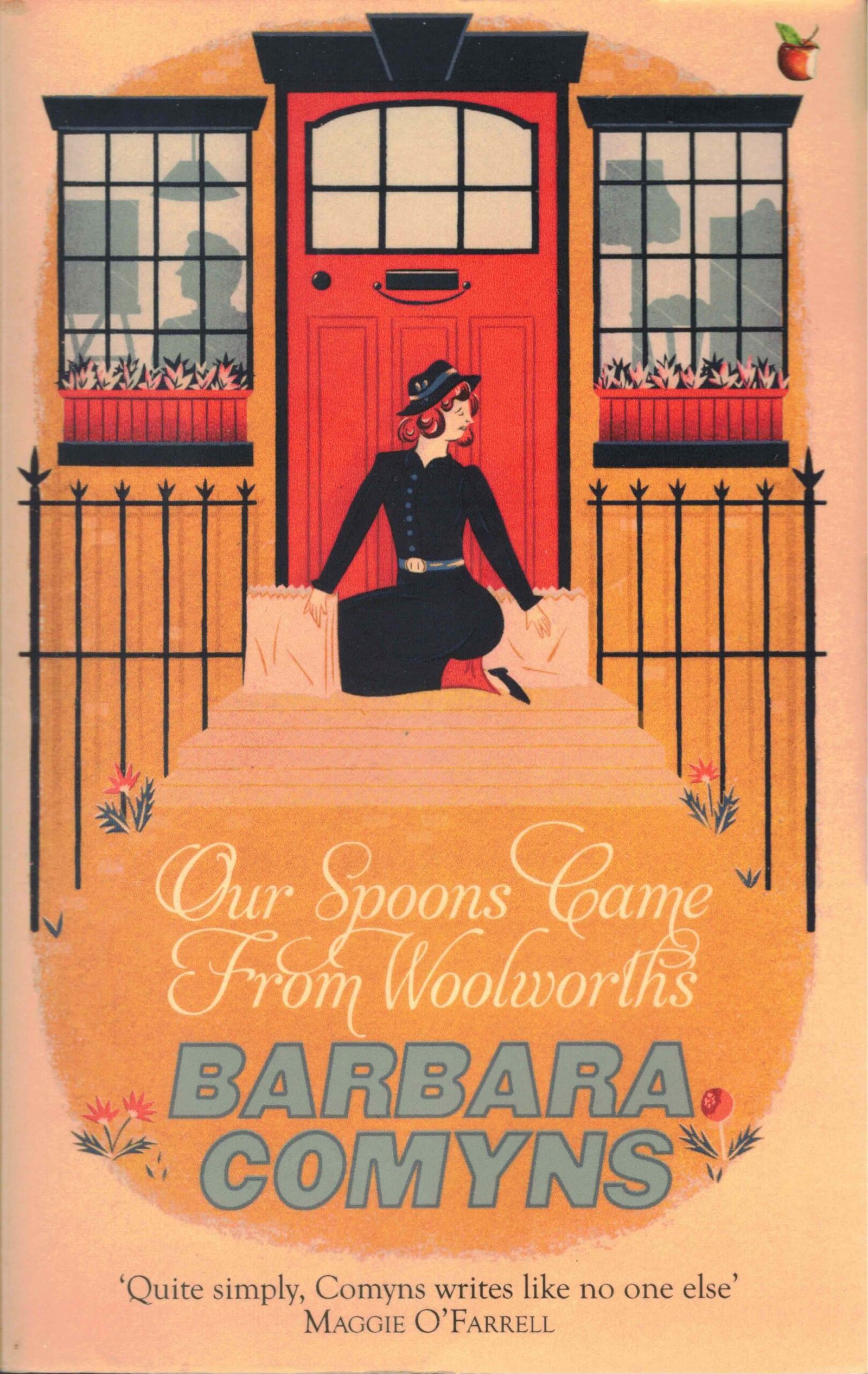
Hmm. So now I love Barbara Comyns. I know I’m not the first. And Our Spoons Came From Woolworths is such a heavy hitter of a novel. I consumed it in one lengthy sitting and sat absolutely shattered after it finished. I’ve since read Sisters By A River, but I feel I need to ration out Comyn’s works slowly, like I’ve done with Jane Austen; she’s that good. At first I thought the ending too happy, but now I believe that this story does not get told without the change at the end; otherwise, the narrator is simply dying by degrees of dull ache poverty and wretchedness. Trigger warning: talk to a friend who’s read the book before you read it, as it hits very hard at many points.

Okay, I’m breaking my rule of highlighting only two books from each subset of ten that I’m listing, because this third decade of books just had too many super excellent totes amazing books. Though if you include The Poisoned Chocolates Case (which you should) with The Piccadilly Murder—both by Anthony Berkeley—, you have all the very best of this set of ten. Both these Golden Age mysteries feature the self-effacing Mr. Chitterwick, who I admit gives my favorite amateur detective Albert Campion a run for the money. But these are puzzle mysteries by a peak performer who gives us the best of the sub-genre. And The Piccadilly Murder (setting aside the Poisoned Chocolates ’cause it’s really a different kind of duck) is amazing in its brilliance and its ‘fair-play’ trickery. Once again, it was obvious to me how and who dunnit … and then at the end of a sudden it wasn’t. Berkeley is amazing, and—though the actual plot is ludicrous, a fine example of that Golden Age trope where only the leisured and literate rich (or seemingly so) can be trusted to solve actual crimes that don’t involve poor people—he once more smashes the tropes out of the park in this wonderful example of the classic British mystery.
| # |
Read |
Author |
Title |
Genre |
| 1821 |
5/31/26 |
Michael Kurland |
The Girls in the High-Heeled Shoes |
Mystery |
| 1822 |
6/1/26 |
Lee Server |
Danger Is My Business: An Illustrated History of the Fabulous Pulp Magazines: 1896-1953 |
Books |
| 1823 |
6/3/26 |
Wright Morris |
Love Among the Cannibals |
Fiction |
| 1824 |
6/3/26 |
Philip K. Dick |
Lies, Inc. |
SF & Fantasy |
| 1825 |
6/4/26 |
Wright Morris |
In Orbit |
Fiction |
| 1826 |
6/5/26 |
Barbara Comyns |
Our Spoons Came From Woolworths |
Fiction |
| 1827 |
6/6/26 |
Anthony Berkeley |
The Poisoned Chocolates Case |
Mystery |
| 1828 |
6/9/26 |
Anthony Berkeley |
The Piccadilly Murder |
Mystery |
| 1829 |
6/9/26 |
John Steinbeck |
Flight |
Fiction |
| 1830 |
6/9/26 |
P. G. Wodehouse |
Jeeves and the Tie That Binds |
Fiction |

I have loved E. B. White since high school, when I was blown away by his short stories, essays, and letters. His 1949 book, Here Is New York, though slightly tinged by that nostalgia that laments gently how change has come to the olden days and the olden ways, is simply a beautiful essay full of beautiful sentiment—sentimentality in the highest meaning of the word, a paean to a beloved city, and no words of mine can be better than the very brief original by (as Vonnegut said) one of the best American prose stylists ever.
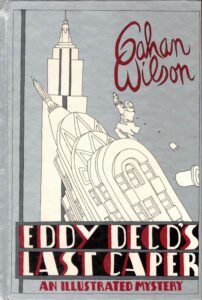
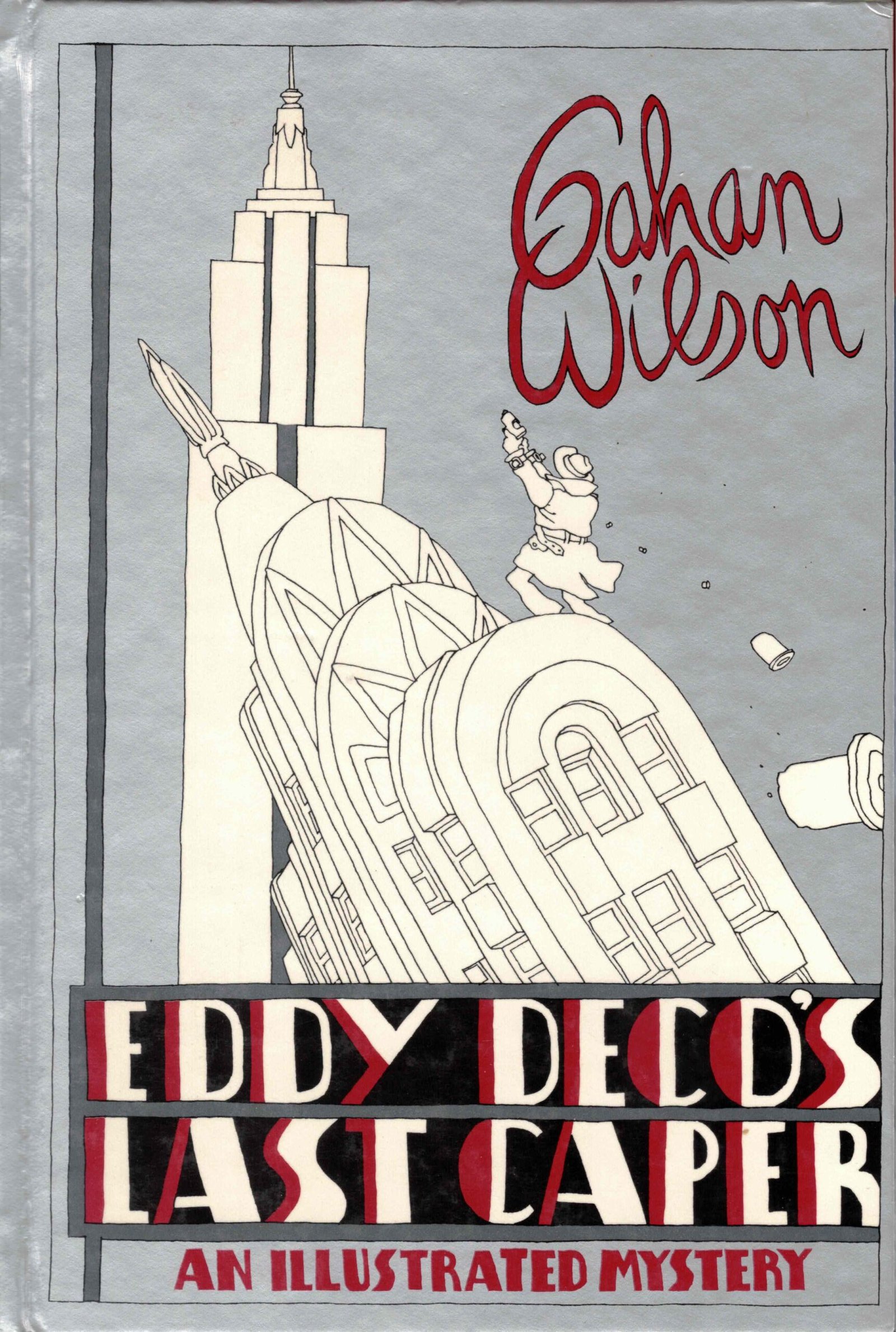
There really is nobody like Gahan Wilson, and I fear that if AI tries to subsume his style it may become subsumed instead, turned into a heap of monstrously distorted trash that crawls back into an alley to lay down next to a puddle of indeterminate fluid. Of course, he’s a cartoonist, but he was a writer, too, writing books that showed his love of the strange genres that gave him so many of his bizarre ideas. In Eddy Deco’s Last Caper Wilson places the titular detective in the way of some very (very!) strange goings-on. With illustrations drawn from the perspective of our P.I., things start out sinister and take sudden twists into … well, more strange sinister sudden twists. I’m not sure if this is really a mystery, but it’s really a something! Just when you think it’s straight parody or pastiche it turns into Gahan Wilson, and that ain’t bad.
| # |
Read |
Author |
Title |
Genre |
| 1831 |
6/10/26 |
P. G. Wodehouse |
How Right You Are, Jeeves |
Fiction |
| 1832 |
6/11/26 |
E. B. White |
Here Is New York |
Essays |
| 1833 |
6/12/26 |
John Babbington Williams |
Leaves from the Note-Book of a New York Detective: The Private Record of J.B. |
Mystery |
| 1834 |
6/13/26 |
P. G. Wodehouse |
The Return of Jeeves |
Fiction |
| 1835 |
6/14/26 |
Chad Nackers, ed. |
The Onion Vol. 62, Issue 18 – May–June 2026 |
Humor |
| 1836 |
6/15/26 |
Gahan Wilson |
Eddy Deco’s Last Caper |
Mystery [?] |
| 1837 |
6/16/26 |
P. G. Wodehouse |
Jeeves in the Morning |
Fiction |
| 1838 |
6/17/26 |
P. G. Wodehouse |
Jeeves and the Feudal Spirit |
Fiction |
| 1839 |
6/18/26 |
P. G. Wodehouse |
Cocktail Time |
Fiction |
| 1840 |
6/18/26 |
P. G. Wodehouse |
Service With a Smile |
Fiction |

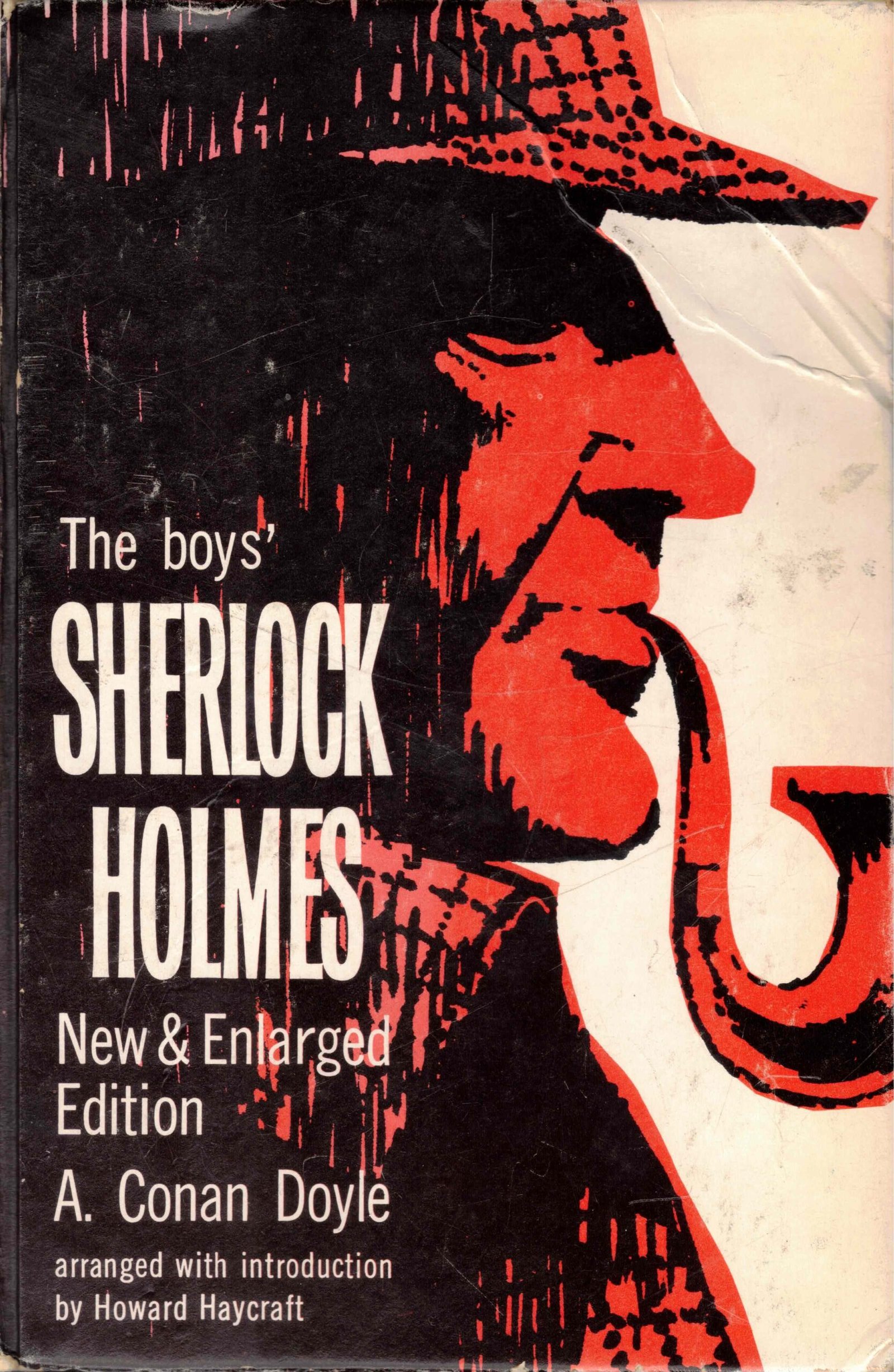
The Boys’ Sherlock Holmes is a blast from my past, one of several children’s versions of Arthur Conan Doyle’s stories (what ever happened to the rest?) that I had as a youth. This one has some slight abridgments to two of the three novels presented here (The Sign Of Four and The Hound Of The Baskervilles), as well as deep cuts to A Study In Scarlet. The savage abridgement of Scarlet is no vice (that Mormon interlude has always been problematic), and the six short stories offered are well-chosen. Hound is great, but the other novels have always been a bit of a mixed bag. Doyle seems to excel in the short stories, and the half dozen here are some of his best. A study of Dr. Bell—the, or a, original for Mr. Holmes—by H. E. Jones rounds out this nice collection.

I really must give y’all a full review of the Carol Schrauzer book, but I’ve been saying that since I read it almost 4 months ago (admittedly I had a fairly intense summer). So instead let me highlight my first experience of Roberto Bolaño, his admittedly experimental novel Antwerp. Likely I’m not intelligent enough to really appreciate these vignettes—somewhat connected, and somewhat disconnected—which almost make up a story, and which I’m told (in ancillary material in this tiny volume) are the seeds from which all his great work grew, but since this is the first I’ve read of him (save some poems I liked in an anthology) and since I am confused, all I’ll say just now is that he’s like (to me) a William Burroughs without the self-indulgence. Striking images and crystals of memory, which may be enough.
| # |
Read |
Author |
Title |
Genre |
| 1841 |
6/20/26 |
P. G. Wodehouse |
Pearls, Girls and Monty Bodkin |
Fiction |
| 1842 |
6/20/26 |
Kurt Vonnegut |
A Man Without a Country |
Biography |
| 1843 |
6/21/26 |
Michael Bonner, ed. |
Uncut Magazine August 2025 |
Music |
| 1844 |
6/23/26 |
Arthur Conan Doyle |
The Boys’ Sherlock Holmes |
Mystery |
| 1845 |
6/23/26 |
Daniel Pinkwater |
The Afterlife Diet |
Fiction |
| 1846 |
6/24/26 |
Jane Austen |
Lady Susan / The Watsons / Sanditon |
Fiction |
| 1847 |
6/25/26 |
Catherine Shaw |
The Library Paradox |
Mystery |
| 1848 |
6/26/26 |
Philip K. Dick |
Counter-Clock World |
SF & Fantasy |
|
6/26/26 |
Anant Pai, ed. |
Tales From The Hitopadesha |
Comics |
| 1849 |
6/27/26 |
Carol Schrauzer |
Innocent Creatures |
Fiction |
| 1850 |
6/29/26 |
Roberto Bolaño |
Antwerp |
Fiction |

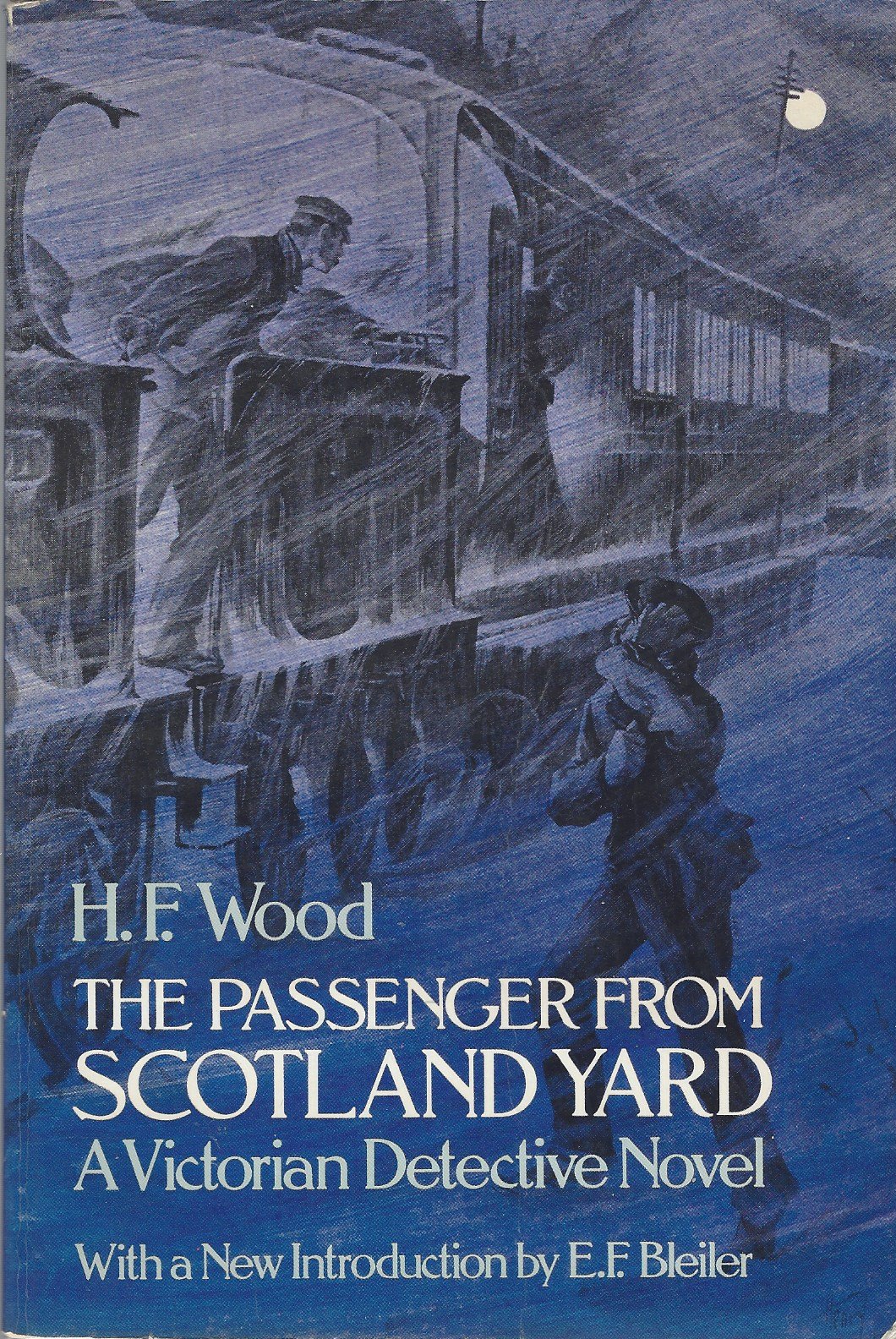
H. F. Wood’s novel The Passenger From Scotland Yard was originally published in 1888, and has aged so in the nearly 140 years since that it needed E. F. Bleiler’s introduction giving context and perspective to this strangely strange detective tale. Yet I was still surprised by the harshness of the Goodreads reviews, and likely bumped my own rating up in prejudicial response. Yes, this is a difficult read, and the opening is a difficult whitewater rush of characters with little to hang on to; but so is Melville’s Confidence Man. But this is a fully realized mystery novel, where each character is a real person, and the hero has his own flaws and foibles. (The scene where he is struck by memories of his dead child only to be misapprehended by his compeer was particularly well done, and speaks to a very real occurrence in the Victorian or any age.) The writing and plotting was a little tortured and thorny, but really it seems worlds away from Doyle’s first two efforts at a mystery novel. Most very likely will hate it, but I don’t think that is because it is typical of its time; it seems to combine the best of that time with the strange new tropes being born in the nascent mystery novel.
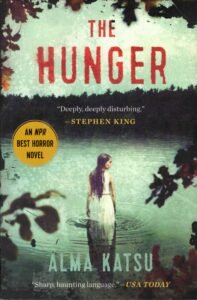
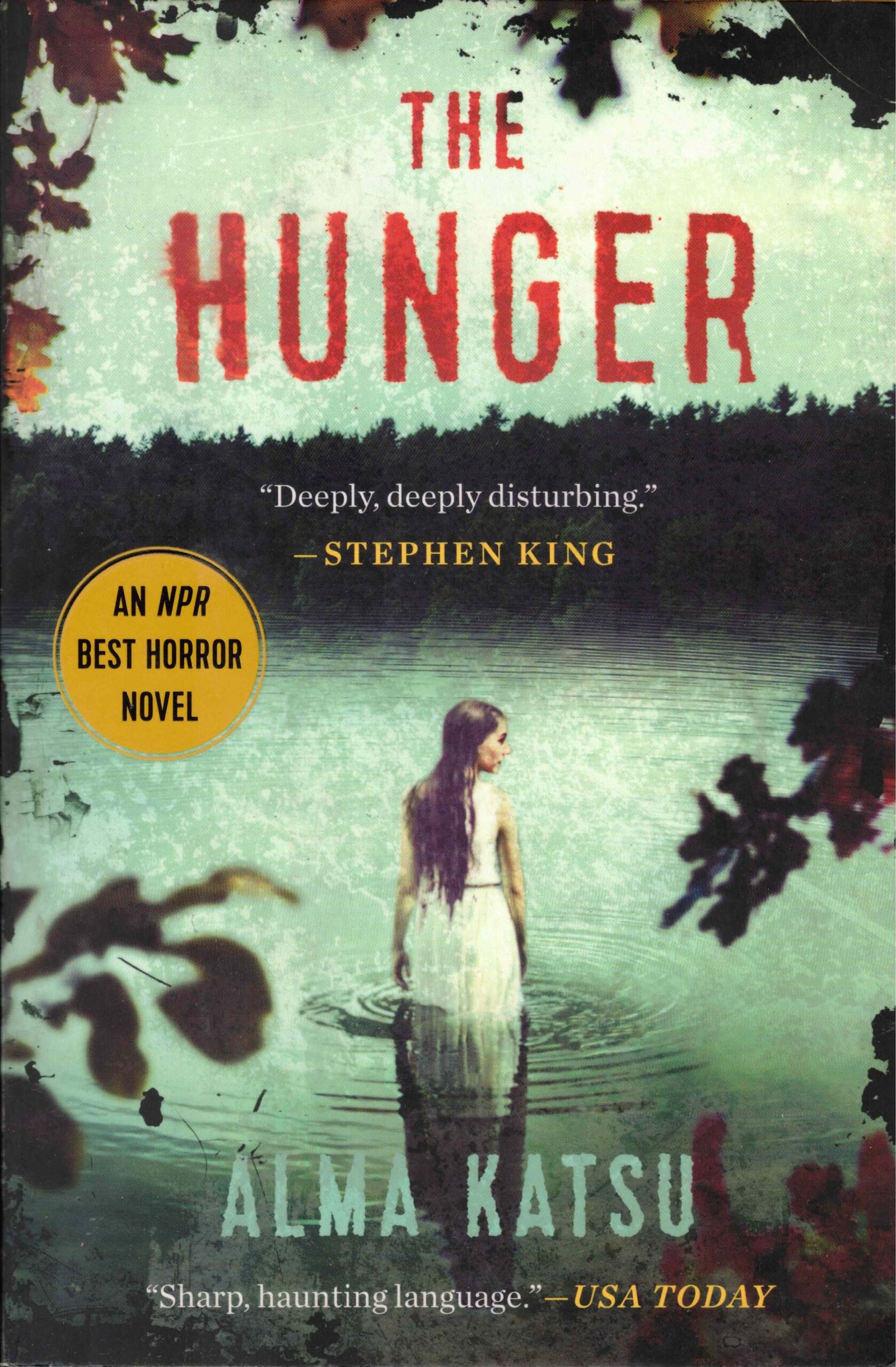
I enjoyed The Hunger, by Alma Katsu, even liked it, up until the ‘Reader’s Guide’ reminded me of all the things about the book that annoyed me. Grafting on the (as my daughter put it) ‘horror lite’ elements to the Donner Party tale seems almost to be covering up the true horror of the story of starvation, and now I’ll have to go back and read about the actual history which is much more interesting. (I can recommend a Scholastic book targeted at middle or high schoolers, The Perilous Journey Of The Donner Party by Marian Calabro, as a surprisingly good history of those events. It’s even very well sourced!) However, it was a well-written well-crafted tale that held my interest when I needed it, fast-paced (I read it in just one day), and obviously well-researched. I could wish that the horror story had been grafted on to some other historical tale that needed the fictional additions more than this American tale which already has enough horror and then some.
| # |
Read |
Author |
Title |
Genre |
| 1851 |
6/29/26 |
Editors of Boys’ Life |
The Boys’ Life Book of Mystery Stories |
Children’s |
| 1852 |
6/30/26 |
Franklin W. Dixon |
The Mystery of the Flying Express |
Children’s |
| 1853 |
7/1/26 |
H. F. Wood |
The Passenger from Scotland Yard: A Victorian Detective Novel |
Mystery |
| 1854 |
7/2/26 |
Franklin W. Dixon |
The Clue In The Embers |
Children’s |
| 1855 |
7/2/26 |
Carolyn Keene |
The Mystery at the Moss-Covered Mansion |
Children’s |
| 1856 |
7/3/26 |
Alma Katsu |
The Hunger |
Horror |
| 1857 |
7/4/26 |
Franklin W. Dixon |
The Mystery at Devil’s Paw |
Children’s |
| 1858 |
7/5/26 |
Franklin W. Dixon |
The Mystery of the Desert Giant |
Children’s |
| 1859 |
7/6/26 |
Carolyn Keene |
The Ghost of Blackwood Hall |
Children’s |
| 1860 |
7/7/26 |
E. C. R. Lorac |
Bats in the Belfry: A London Mystery |
Mystery |
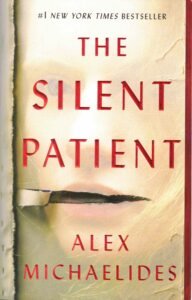
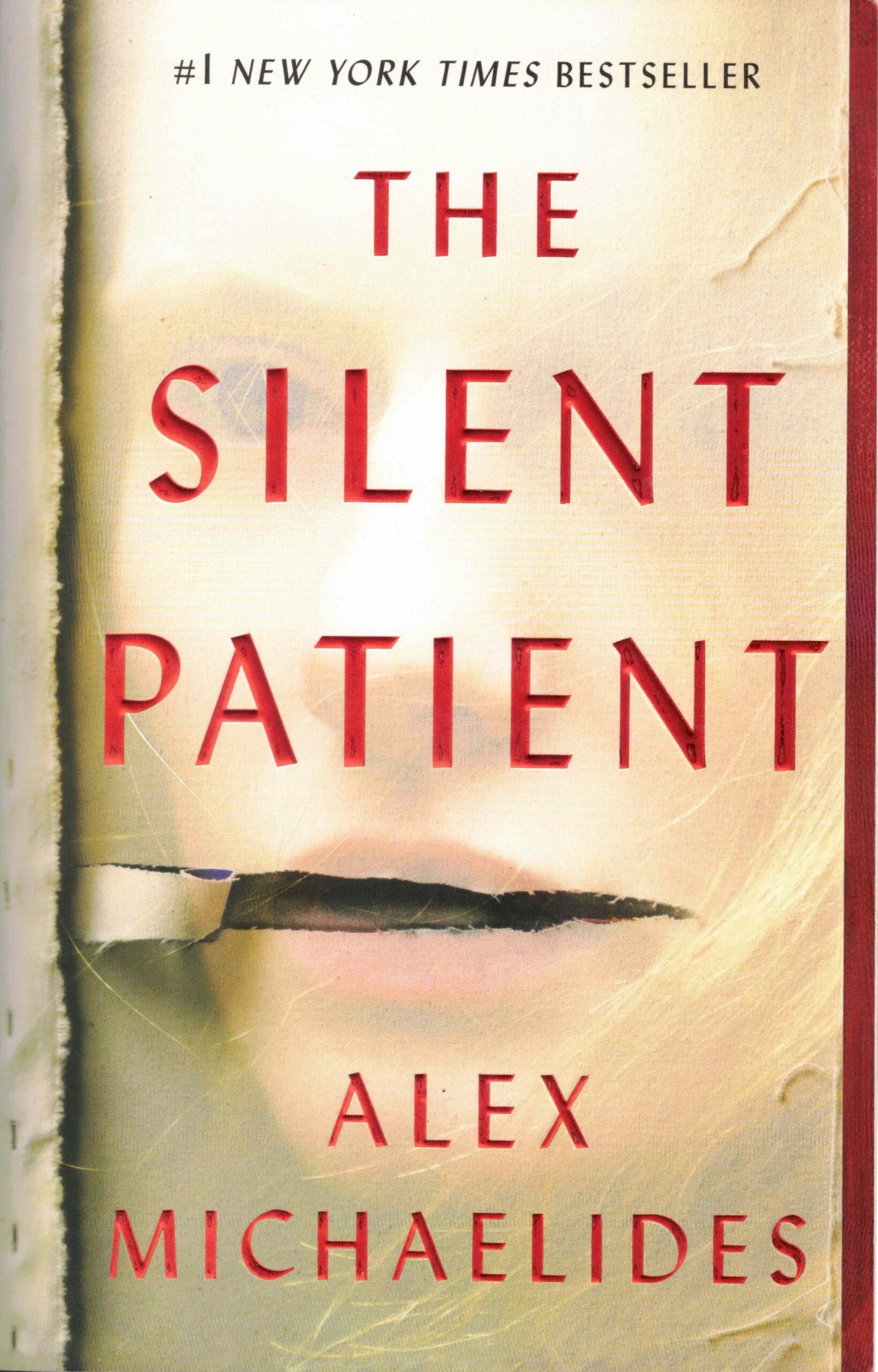
In the case of Alex Michaelides’s mystery-ish book The Silent Patient, maybe I shoulda stayed in bed. ‘Cause I loved the book, and then made the mistake of looking it up on Goodreads, and now … I dunno. Several of the objections to the book seemed valid, though of course this was only in retrospect. But really I just loved the novel, devouring it in only a few hours. I was truly taken by the clever unfolding of the sort of complicated plot. But the Goodreads haters undid that, though my own experience of therapy and people in institutions was closer to the novel than it appeared to most of those online reviewers (who asserted that nothing like the sanitarium in the novel could exist nowadays, though the author says that that part of the book at least was based on his own life experience). And perhaps I was prejudiced in favor because it was the last recommendation of my only work friend. And many of the Goodreaders made cogent points. But what can I say, I still found this a compelling and compulsive book.
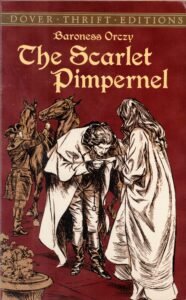
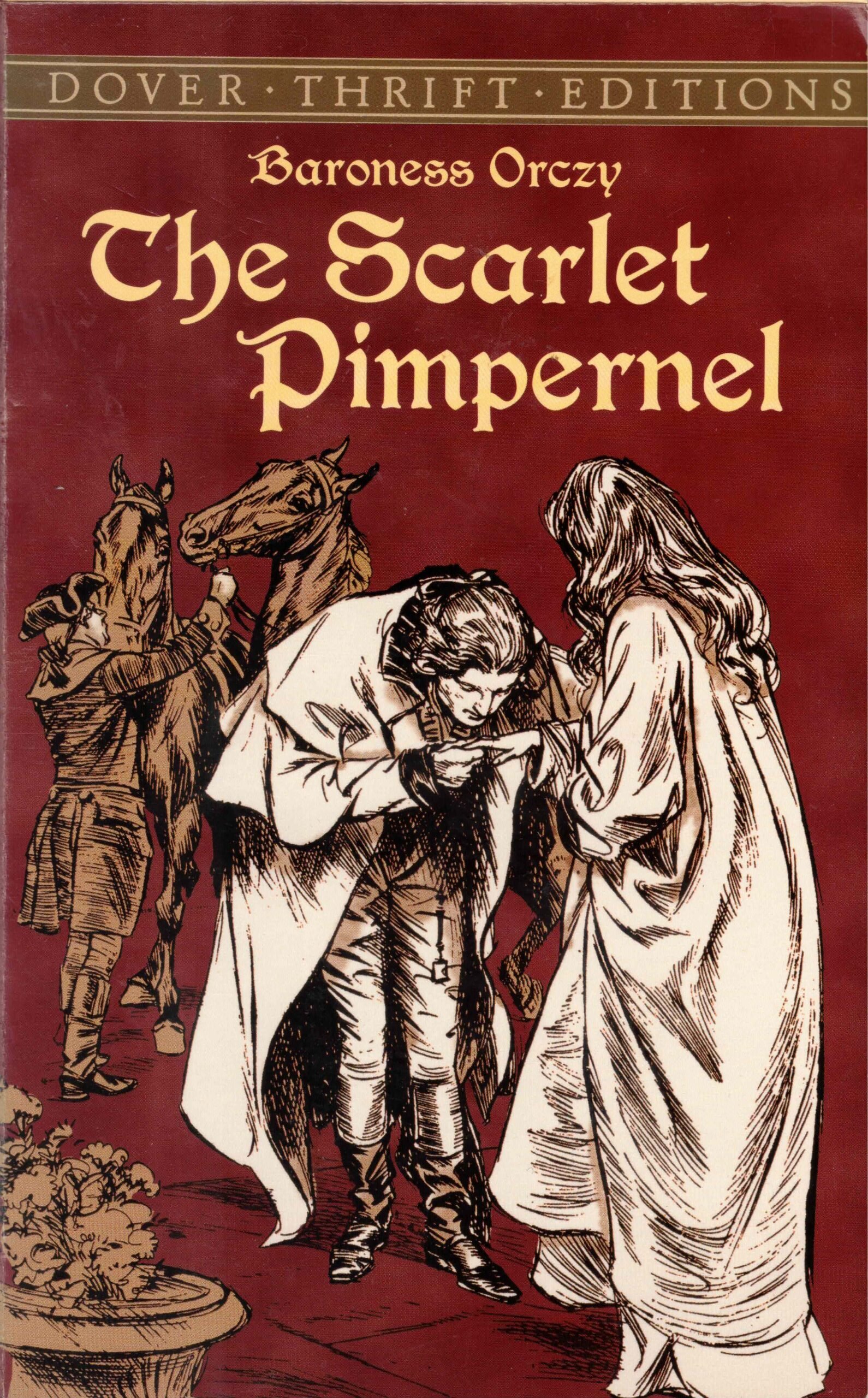
It is almost unnecessary for me to talk about The Scarlet Pimpernel, the all-too-famous novel of the French Revolution by the Baroness Orczy. Even at this late date (the book was originally published in 1905), many are aware of the classic Leslie Howard movie (though it, like most adaptations, also drew from the Pimpernel sequel Eldorado), or perhaps the cartoon mouse thief Savoir Faire. Or at least the many and varied renditions of El Zorro, which was cribbed from Orczy’s work. Or maybe they just have an uncertain association to “they search him here, they search him there” … with nothing more than a vague resonance to the societal Arkashic records. But this tale of adventure was so much better than I expected, and my expectations were high. Most interesting was the main protagonist being a woman. And though I guess I already knew the story, or figured out the parts I didn’t, I was still tensely anticipating every move, every moment, as we moved towards the final clash.
| # |
Read |
Author |
Title |
Genre |
| 1861 |
7/8/26 |
Franklin W. Dixon |
The Viking Symbol Mystery |
Children’s |
| 1862 |
7/8/26 |
Tabish Khair |
The Thing About Thugs |
Fiction |
| 1863 |
7/9/26 |
Alex Michaelides |
The Silent Patient |
Mystery |
| 1864 |
7/10/26* |
Michael Bonner, ed. |
Uncut Magazine May 2023 |
Music |
| 1865 |
7/11/26 |
Franklin W. Dixon |
The Secret Agent on Flight 101 |
Children’s |
| 1866 |
7/12/26 |
Franklin W. Dixon |
The Mysterious Caravan |
Children’s |
| 1867 |
7/13/26 |
Julian Symons |
The Tell-tale Heart: The Life and Works of Edgar Allen Poe |
Biography |
| 1868 |
7/14/26 |
Baroness Orczy |
The Scarlet Pimpernel |
Fiction |
| 1869 |
7/16/26 |
Gustave Flaubert |
The Dictionary of Accepted Ideas |
Literature |
| 1870 |
7/17/26 |
Margaret Cavendish |
The Blazing World and Other Writings |
Fiction |
* read circa 9/3/2023, but only discovered as not entered correctly in my db at this later date, as I’d decided to track those volumes I read entirely from cover to cover, and only now finally rectified the entries from 2023, egads

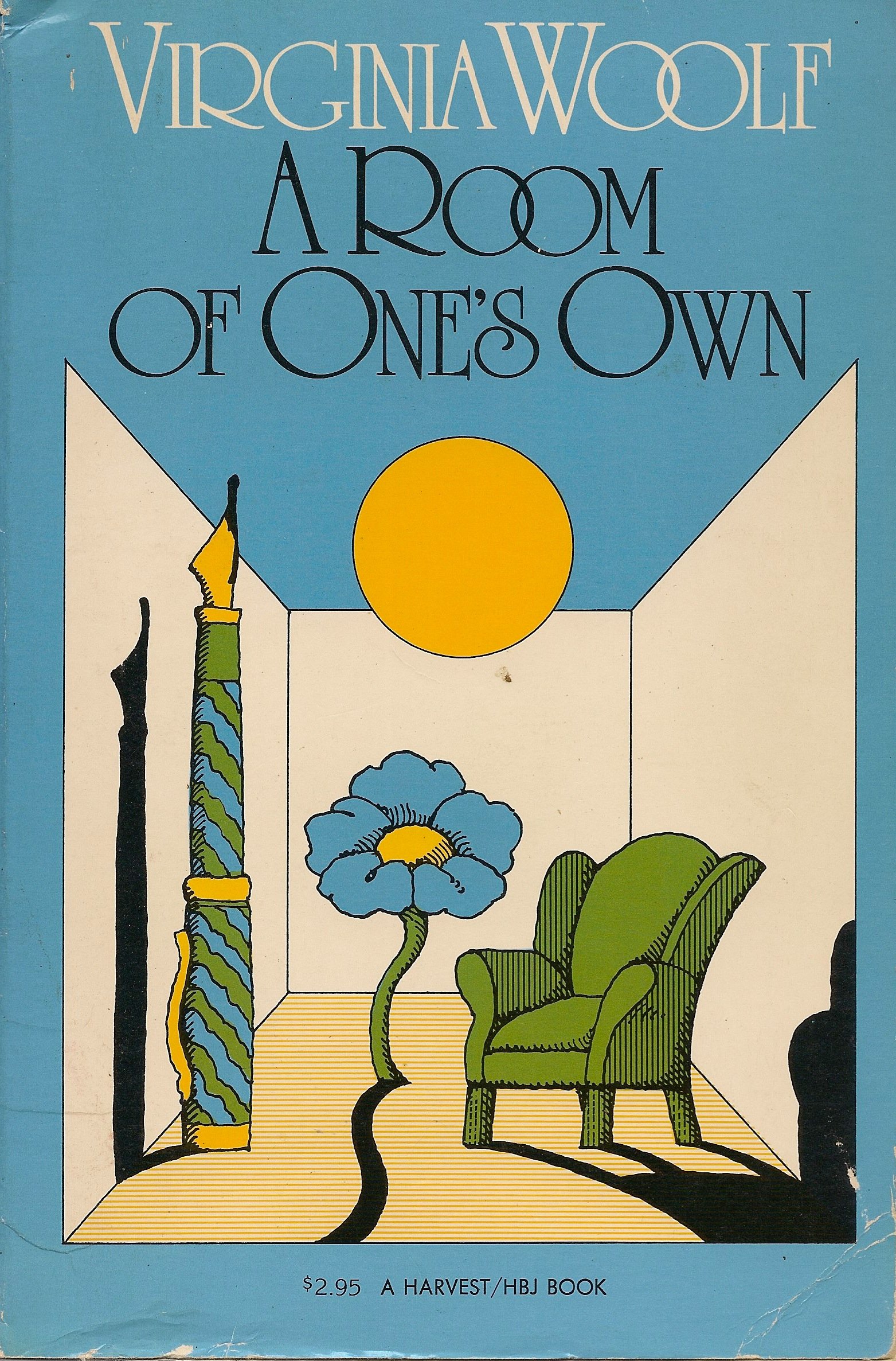
This next decade of books read found a plethora of bangers, so many I have difficulty choosing just one. I could, for instance, highlight the Kuttner collection (“We must imagine Philip K. Dick happy”), but I won’t, so let’s move on. Instead, let’s talk about Virginia Woolf’s extended essay A Room Of One’s Own, which I first read as a freshman oh so very many years ago. And what do I find, decades later? That this book is just brilliant, both from the remarkable back-way into her subject Woolf takes as well as the extreme erudition of her reading. But it is her insights that make this little book stand the test of time (nearly a hundred years now!): that it is an admixture of male and female in authors that is present when truly great works are created, and that time and a place for writing is required. (Indeed, her extended quote of Quiller Couch on the so-called ‘poor poet’ is damning of the poverty-stricken artist idea.) Good stuff!
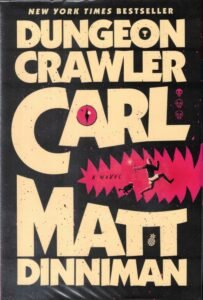
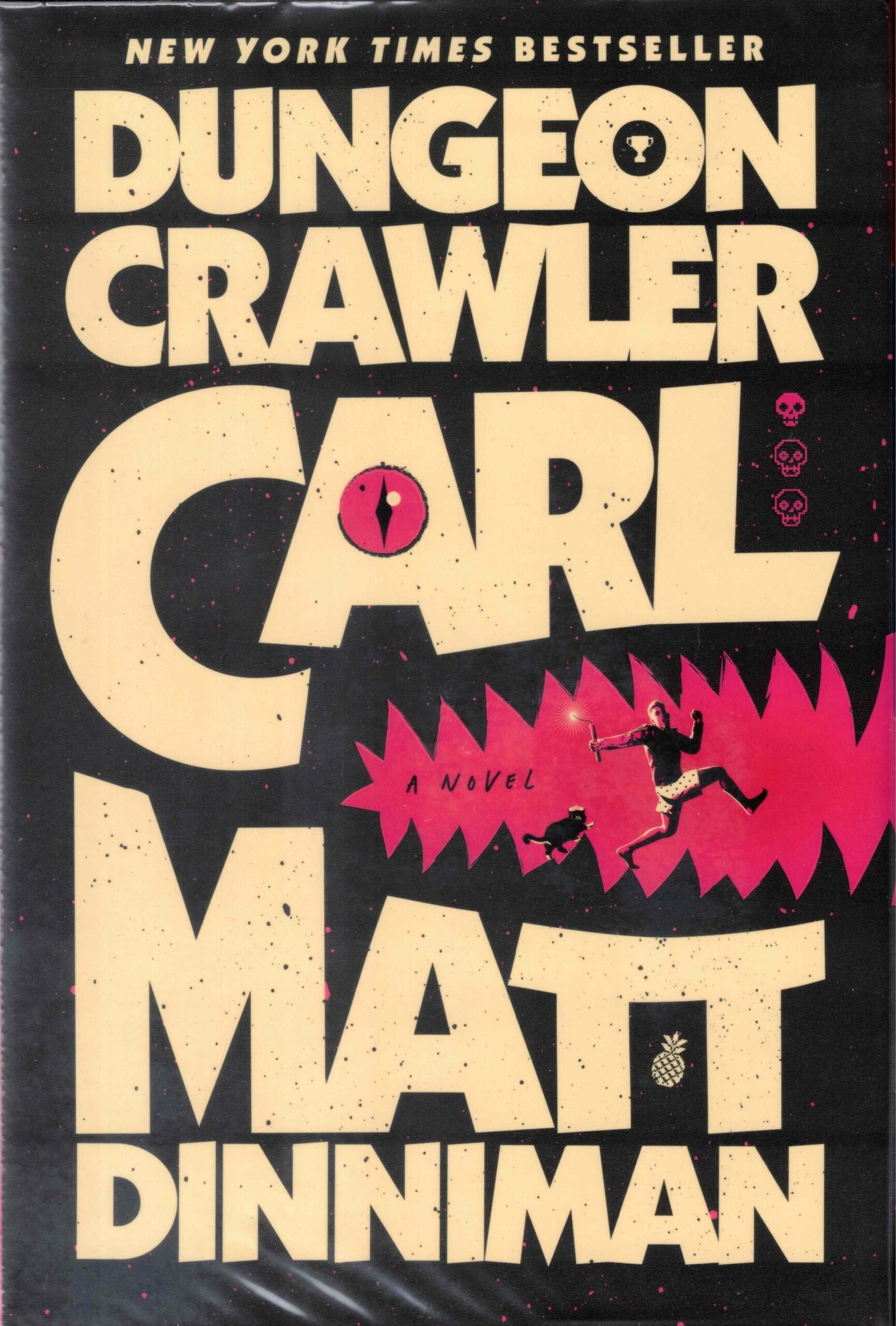
And if I’m jumping on the Woolf bandwagon almost a century too late, I may as well beat the drum for a much more contemporary phenom, the Dungeon Crawler Carl books of Matt Dinniman. Indeed, my only complaint about the series is that I’m reading it at what promises to be only the beginning of a potentially long, very long series. (And even then I’m fortunate in that there’s already 7 or 8 more books already written.) But! unlike the Wheel of Time, for example, the 2nd and 3rd books got even better than the original eponymous novel. Oh, well, the Carl books are great. Really great. Has a heart without getting bleeding heart all over you, funny as hell, and really trifficly written. Amazing conceit pushed up to level 11. Maybe even higher. In Carl’s Doomsday Scenario he manages to keep up a compelling story and make the crazy even crazier. Seriously, I don’t see how Dinniman will be able to maintain this pace, quality, poignancy, and crazy. But I guess I’m gonna keep finding out.
| # |
Read |
Author |
Title |
Genre |
| 1871 |
7/18/26 |
Philip K. Dick & Ray Nelson |
The Ganymede Takeover |
SF & Fantasy |
1872 |
7/19/26 |
Henry Kuttner |
The Last Mimzy: Stories [aka The Best of Henry Kuttner] |
SF & Fantasy |
| 1873 |
7/22/26 |
Virginia Woolf |
A Room of One’s Own |
Essays |
| 1874 |
7/24/26 |
Sebastian Wolfe, ed. |
The Misadventures of Sherlock Holmes |
Mystery |
| 1875 |
7/25/26 |
Barbara Comyns |
Sisters by a River |
Fiction |
| 1876 |
7/27/26 |
Matt Dinniman |
Dungeon Crawler Carl |
SF & Fantasy |
| 1877 |
7/27/26 |
Jack Beeching, Harry Guest, & Matthew Mead |
Penguin Modern Poets 16: Jack Beeching, Harry Guest, Matthew Mead |
Poetry |
|
7/27/26 |
Catherine Yronwode, ed. |
Mr. Monster’s True Crime #1 |
Comics |
|
7/27/26 |
Mike Baron |
Badger #59 |
Comics |
|
7/27/26 |
Mike Baron |
Badger #60 |
Comics |
|
7/27/26 |
Mike Baron |
Badger #61 |
Comics |
| 1878 |
7/29/26 |
Matt Dinniman |
Carl’s Doomsday Scenario |
SF & Fantasy |
| 1879 |
7/29/26 |
Fredric Brown |
His Name Was Death |
Mystery |
| 1880 |
7/29/26 |
Daniel M. Pinkwater |
Young Adults |
Children’s |
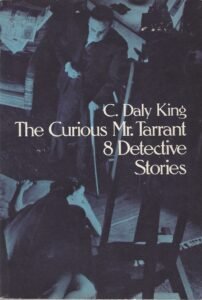
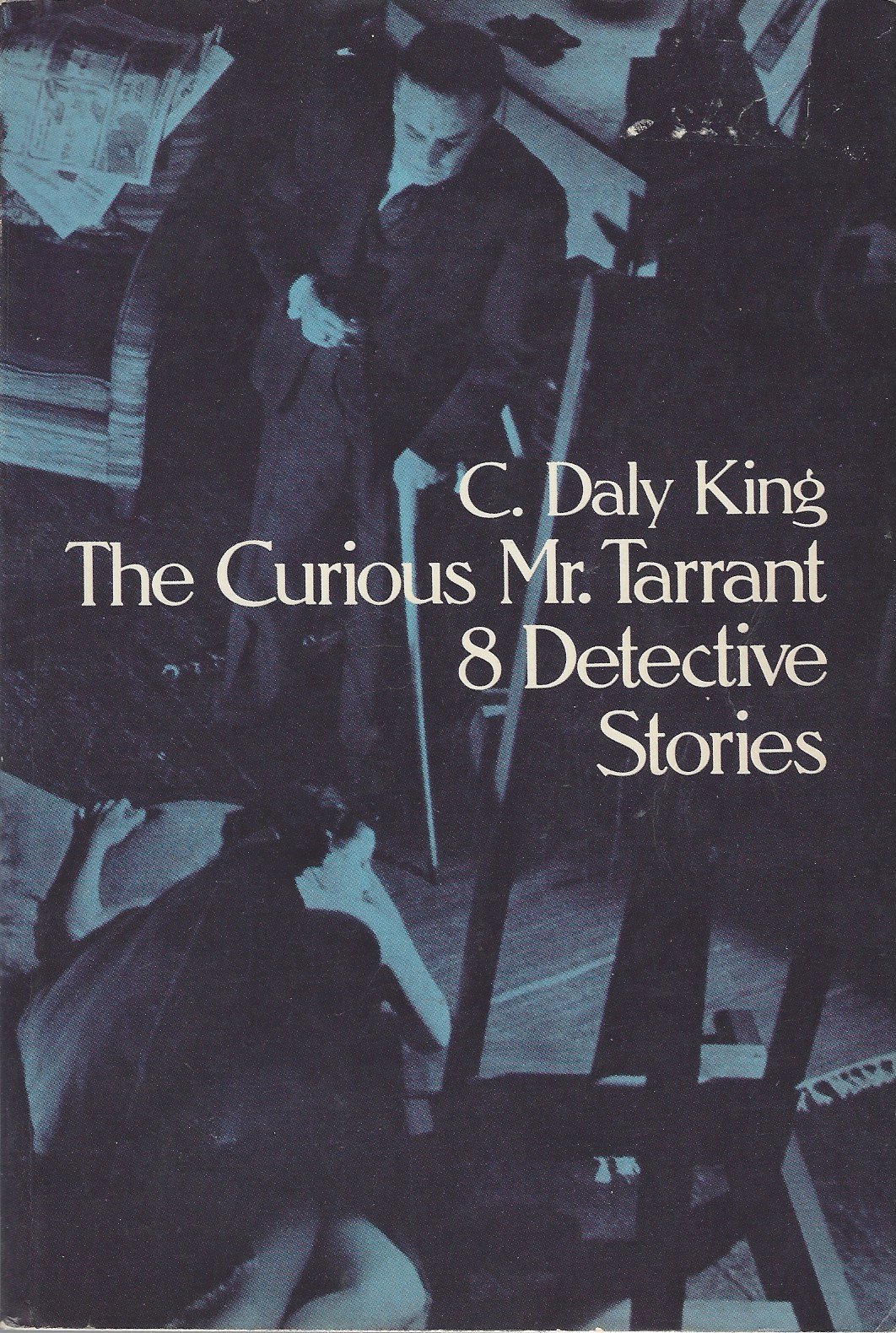
Even with the mystic mumbo-jumbo at the end, The Curious Mr. Tarrant is a wonderful collection of locked room mysteries—indeed, one could argue that the final, perhaps unsatisfying to some (perusing Goodreads makes me posit that it was unsatisfying to most), story takes place in the one locked room mystery tales never ever venture into: the human mind. I would love to see the return of Mr. Tarrant seven years later; ‘twould be a believable Doctor Strange. But anyway, these tales are fun and interesting and different and amazing, even if sometimes a tad cliché or rather outre. Voodoo?!? But they also show us an emerging world, as the expanding world of psychology met the weird ideas of Gurdjieff and Ouspensky. C. Daly King’s Trevis Tarrant is a bit like Philo Vance, though Tarrant’s manservant is more in the club (and a Japanese spy!). Well, bottom line: not for everyone (seriously, check out the hate on Goodreads), but an interesting and (I think) important book in American mystery literature.
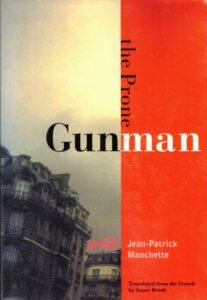
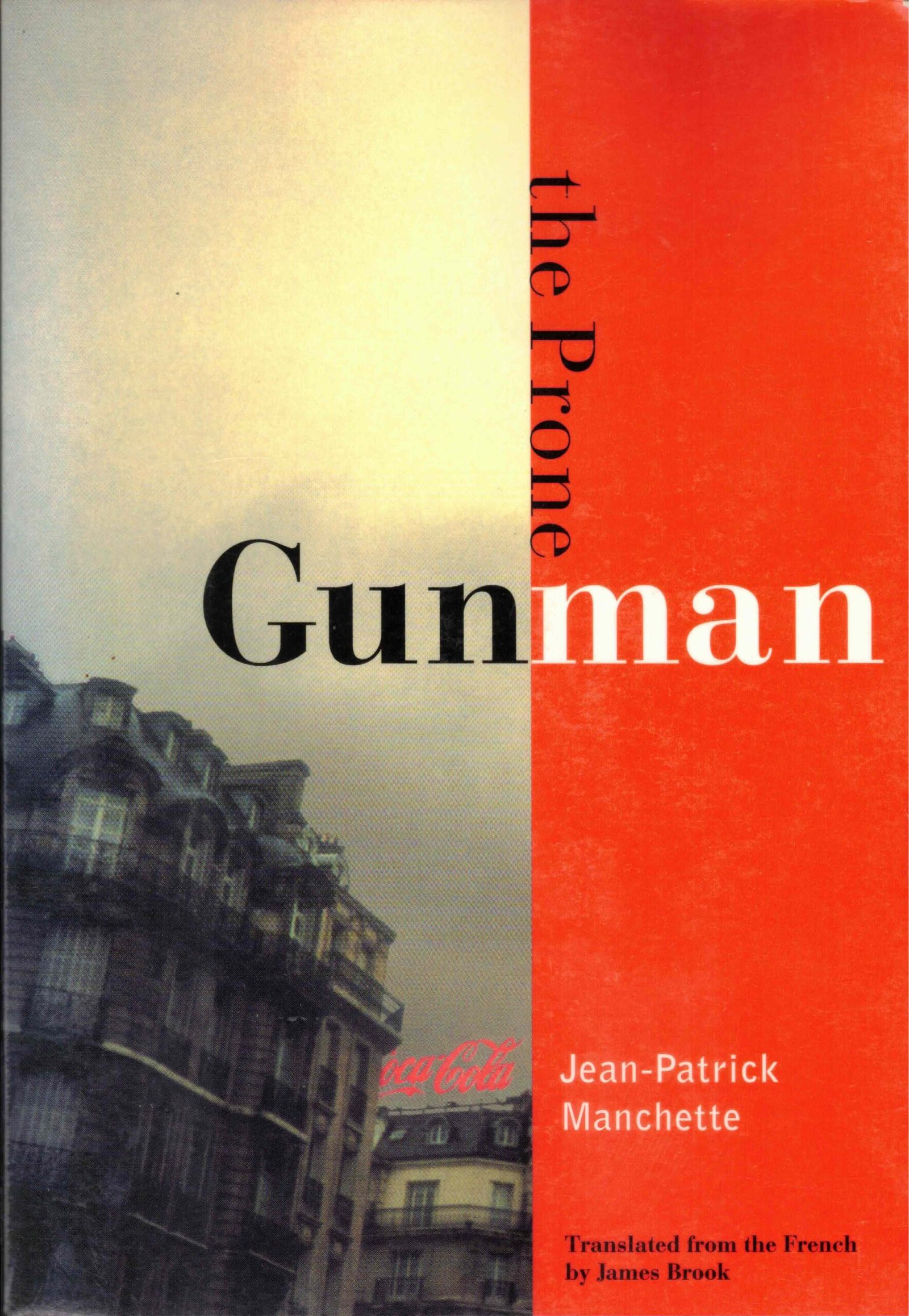
Moving from the sublime to the sordid, what can I say about Jean-Patrick Manchette’s The Prone Gunman? This neo-noir novel from a lauded French writer is a compelling and fascinating though brutal story, demonstrating the hero’s (Is that the right word?) childishness as well as his frank ability to do a particular job. The unleashed destruction is almost only incidental, and of course the questions raised by the book are not answered, perhaps are not answerable. How like a Frenchman. Seriously, though, this was only one of five other absolute bangers (besides the Mr. Tarrant book above) in the Mystery department in this set of ten. My cup ranneth over.
| # |
Read |
Author |
Title |
Genre |
| 1881 |
7/31/26 |
C. Daly King |
The Curious Mr. Tarrant: 8 Detective Stories |
Mystery |
|
7/31/26 |
Vic Torry |
Mr. Monster’s Hi-Voltage Super Science #1 |
Comics |
| 1882 |
7/31/26 |
Agatha Christie |
Mrs. McGinty’s Dead |
Mystery |
| 1883 |
7/31/26 |
Louis L’Amour |
Conagher |
Western |
|
7/31/26 |
Mike Baron |
Badger #62 |
Comics |
| 1884 |
8/2/26 |
C. Daly King |
Obelists Fly High |
Mystery |
| 1885 |
8/4/26 |
Erle Stanley Gardner |
Ellery Queen Presents: Erle Stanley Gardner’s The Amazing Adventures of Lester Leith |
Mystery |
| 1886 |
8/6/26 |
T. S. Stribling |
Clues of the Caribbees: Being Certain Criminal Investigations of Henry Poggioli, Ph.D. |
Mystery |
| 1887 |
8/7/26 |
Ronald A. Knox |
The Footsteps at the Lock |
Mystery |
| 1888 |
8/8/26 |
Jean-Patrick Manchette; James Brook, trans. |
The Prone Gunman |
Mystery |
| 1889 |
8/8/26 |
Joanna Cannan |
The Taste of Murder |
Mystery |
| 1890 |
8/9/26 |
Matt Dinniman |
The Dungeon Anarchist’s Cookbook |
SF & Fantasy |
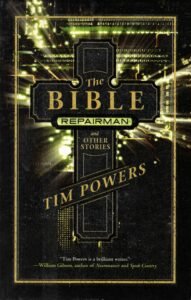
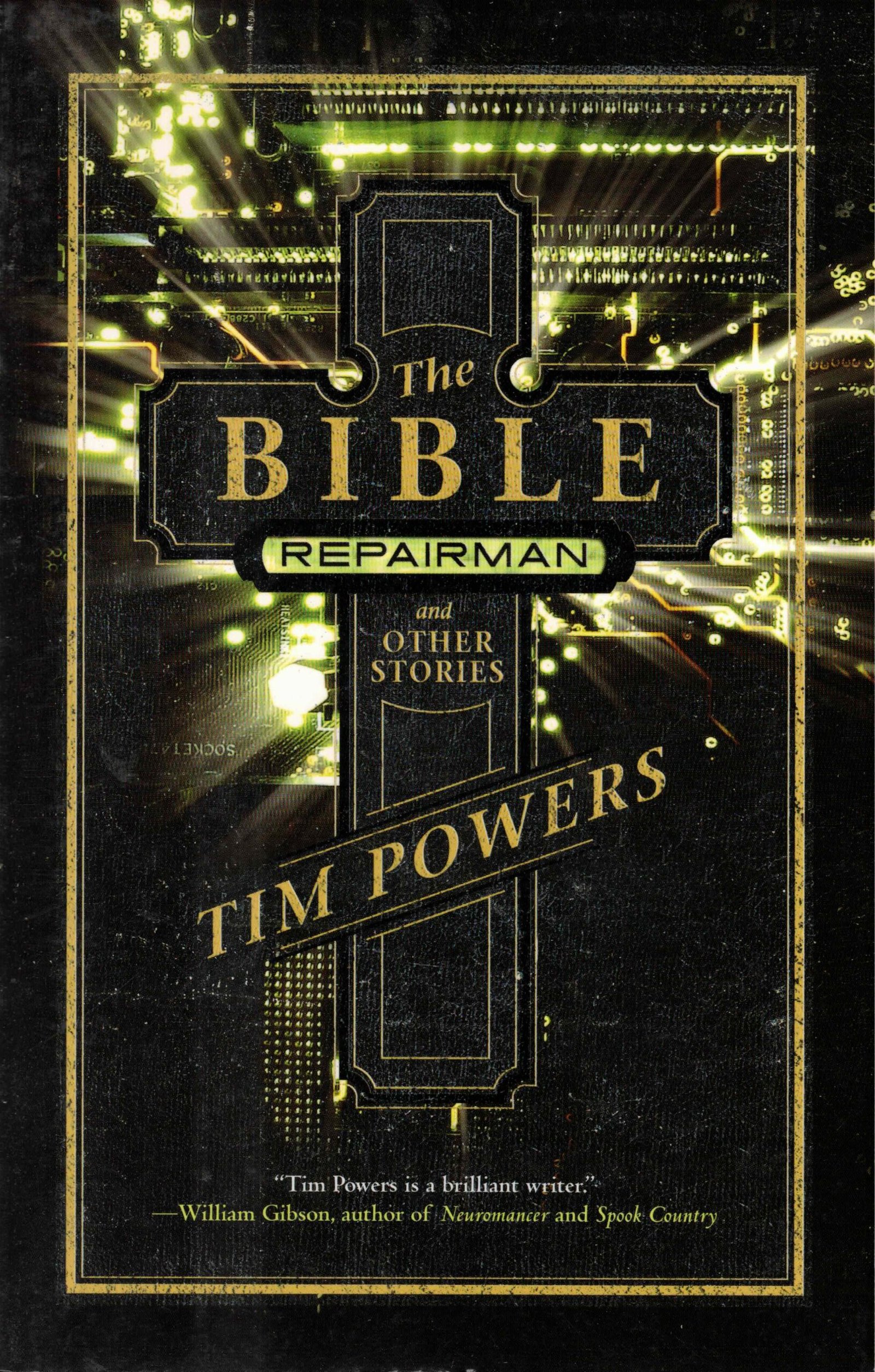
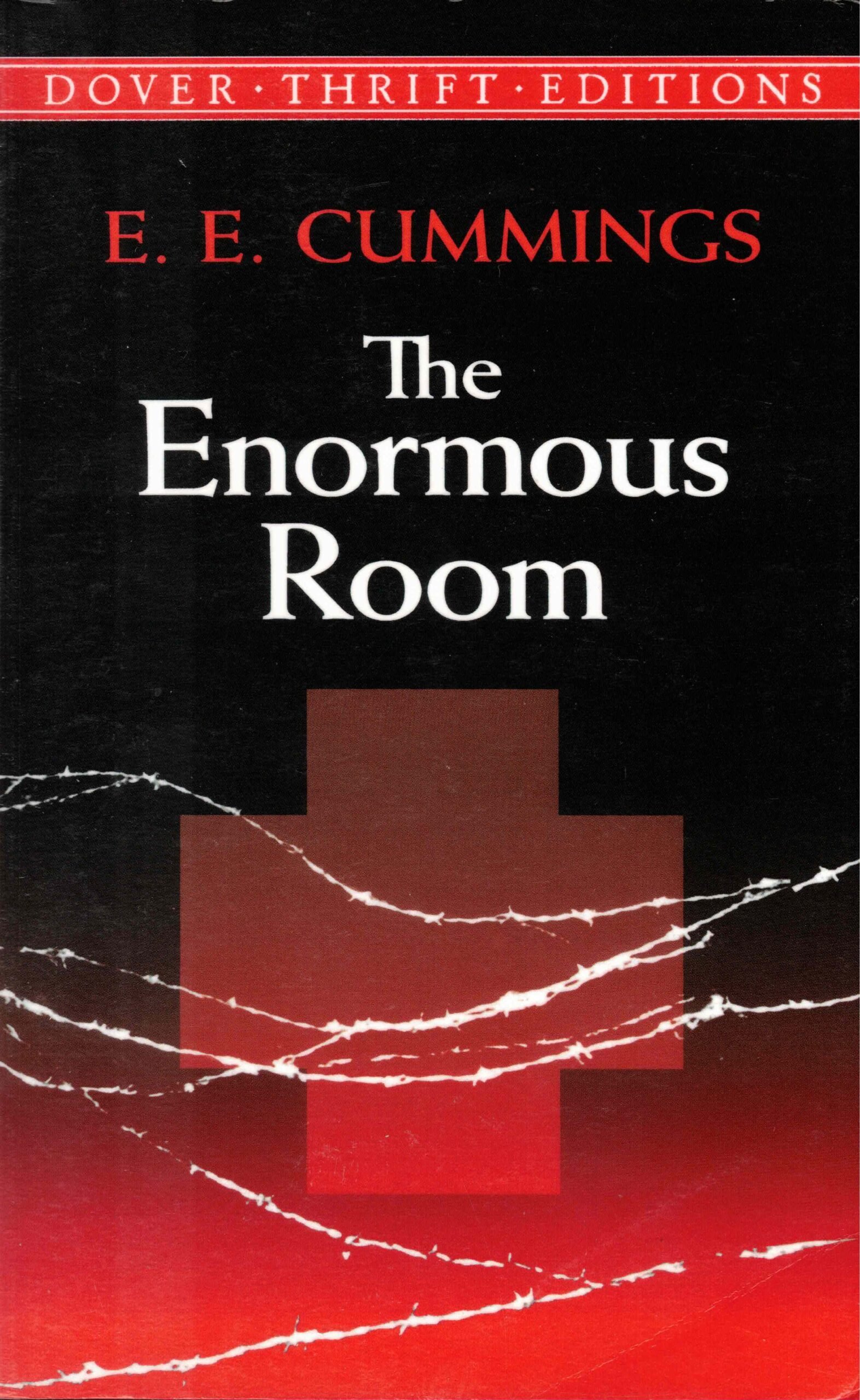
Well, I’ve already waxed prolix over The Enormous Room by E. E. Cummings, and I spoke more briefly about how much I enjoyed The Wind In The Willows by Kenneth Grahame, so let me use this last preface to this last set of ten books read to offer for your consideration a collection of Tim Powers short stories and like that, The Bible Repairman and Other Stories. I liked each of these stories for different reasons, found them wonderfully imaginative, and sometimes (often) disturbing. Can’t even really choose a favorite, ’cause as I think of each I like it more. The title tale is great, and the pizza place story is another (somewhat deranged) banger, but I thought longest perhaps after reading the final piece about Edward Trelawny. In reviewing my notes I learned that that last is a coda of sorts to Powers’s novel The Stress Of Her Regard, which I have not yet read. Another future addition to a pile which already is overlarge, just like me.
| # |
Read |
Author |
Title |
Genre |
| 1891 |
8/10/26 |
Chad Nackers, ed. |
The Onion Vol. 62, Issue 27 – July–Aug. 2026 |
Humor |
| 1892 |
8/11/26 |
Erle Stanley Gardner |
The Casebook of Sidney Zoom |
Mystery |
| 1893 |
8/13/26 |
E. E. Cummings |
The Enormous Room |
Biography |
| 1894 |
8/14/26 |
I. U. Tarchetti |
Fantastic Tales |
Fiction |
| 1895 |
8/16/26 |
Rudyard Kipling |
Kipling’s Fantasy Stories |
Fiction |
| 1896 |
8/18/26 |
G. K. Chesterton |
Thirteen Detectives |
Mystery |
| 1897 |
8/19/26 |
Hesiod; Stanley Lombardo, trans. |
Works and Days and Theogony |
Poetry |
| 1898 |
8/20/26 |
Tim Powers |
The Bible Repairman and Other Stories |
SF & Fantasy |
| 1899 |
8/22/26 |
G. K. Chesterton |
The Napoleon of Notting Hill |
Fiction |
|
8/22/26 |
Robyn Chapman, ed. |
American Cult: A Graphic History of Religious Cults in America from the Colonial Era to Today |
Comics |
| 1900 |
8/23/26 |
Kenneth Grahame |
The Wind In The Willows |
Children’s |

And so, almost (but not quite!) two months after reading that 1800th book, another set of a hundred books is offered to y’all in fancily formatted tables. (Well, not that fancy.) In the meantime I’m halfway to the next milestone, which will be a big’un. Though my average book length actually increased in this last hundred (from 215 to over 222-1/2 pages per book), it will be obvious that I’m reading lots and lots of short books. And though this is due in some part to the reasons of I/O parity, I realize looking at the dominance of mysteries in this last set that I’m also trying to make room on my shelves for books I’ve purchased that have nowhere yet to live. Ah, well; there are worse problems. I have yet to see a significant effect on either my total number of books nor on shelf space, so I fear that more drastic action may be needed, and in any event I may have to take myself in hand and just read a few big old books to keep my hand in and prove to myself that I can. We shall see. And so until next time, Happy Reading!
The lists of previously read books may be found by following the links: