

After far too long a wait (I first told you I’d read my 1800th book back in April), here is the promised list of the last hundred books read in my silly little book tracking project. I’ve already spoken of the first book in that century of book reading—the December 1964 issue of Fantastic which contained the first appearance of Philip K. Dick’s novella “The Unteleported Man”—and since I’ve recently read the most ‘complete’ version of the expanded novel (in my reading as Book #1824 (I said I’d made you wait too long)), and since after reading that version I’ve determined to go back and read the other two ‘complete’ versions released (in the ’80s, I believe), we’ll postpone more discussion of that PKD story until the next set of 100 books.
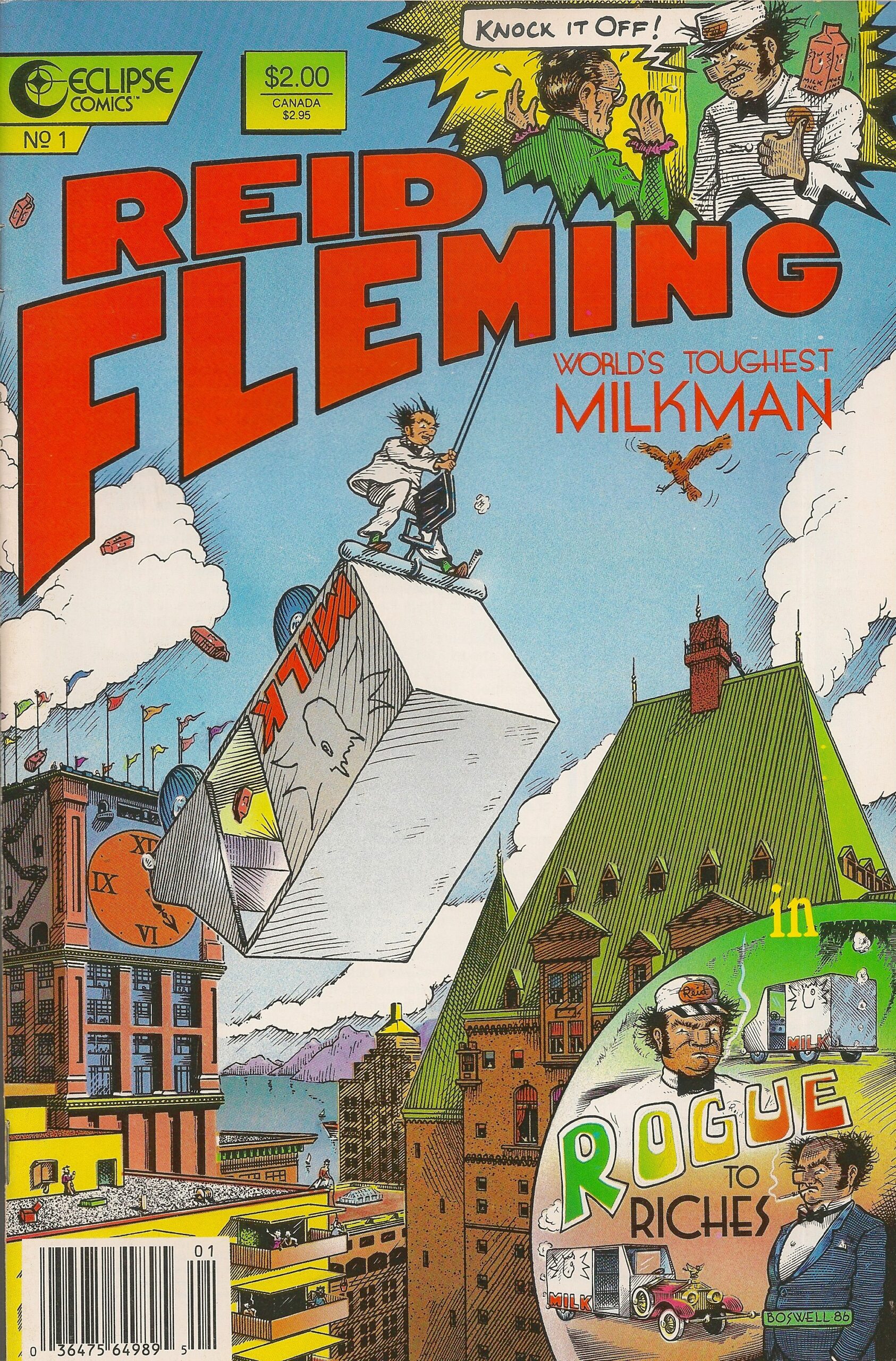
The first 10 books of the last 100 saw me reading a lot of comics, trying to balance my books (so to speak) in another little aspect of my OCD-hoarding-anal-what-have-you book acquisition problem/joy/neuroticism. That is, though I do not count comic books and that ilk towards my official ‘Books Read’ number, I do (of course) keep track of all the things I read, and I also maintain (for about two years now) a spreadsheet detailing what is called in the health profession my ‘I/O’ for my library; that is to say, I now track and compare how many books I buy and try to maintain at least parity with the books I read. (I came to this when I realized that I might possibly read all the books I already have within my lifetime only if I never got another new book. Now that I’ve been tracking my ‘diet and intake’ (so to speak) of my library, I believe that I should be able to finish all my books—assuming I can live for another century.) And for that systemic tracking project, I include comics in the overall count, as they are a volume bought or read. Soooo…… this is a long way ’round to say that I was reading a lot of comics in January of this year because I’d gotten not only some excellent books for Christmas but also because I scored a number of great books at a few estate sales nearby. (Not as great as I’d hoped, as I discovered the copy of Farwell’s Prisoners Of The Madhi was missing its first dozen or so pages.) Sooo… long way ’round almost completed now, this is just to say that I’ve been going systematically through my entire comics collection, and so reread my copies of Reid Fleming, World’s Toughest Milkman, and they’re great! Surrealist violence to give even Zippy a run for the money, and a warm lovable character if you might find Bukowski warm and lovable. Excelsior!
| # | Read | Author | Title | Genre |
|---|---|---|---|---|
| 1701 | 1/13/26 | Philip K. Dick; Norman M. Lobsenz, ed. | Fantastic Vol. 13 No. 12 December 1964 | SF & Fantasy |
| 1702 | 1/16/26 | Joyce Godsey | Book Repair for Booksellers: A handy guide for booksellers and book collectors offering practical advice on how to improve the quality and look of your books and ephemera | Books |
| 1703 | 1/17/26 | Michael Bonner, ed. | Uncut Magazine April 2025 | Music |
| 1/17/26 | S. K. Ramachandra Rao & Subba Rao | Tales of Buddha: Buddha, Angulimala, Amrapali | Comics | |
| 1/17/26 | Pradeep Paul, Meera Ugra, Luis M. Fernandes | Tales of Hanuman: Hanuman, Mahiravana, Hanuman To The Rescue | Comics | |
| 1/17/26 | Subba Rao | Tales of Shiva | Comics | |
| 1/17/26 | Subba Rao | Tales of Yudhishthira (retold from the Mahabharata) | Comics | |
| 1/18/26 | Meena Talim | Tanaji: The Great Maratha Warrior | Comics | |
| 1/18/26 | Dolly Rizvi | Tansen: The Musician of the Court of Akbar | Comics | |
| 1/18/26 | David Boswell | Reid Fleming, World’s Toughest Milkman Vol. 2, #1 | Comics | |
| 1/18/26 | David Boswell | Reid Fleming, World’s Toughest Milkman Vol. 2, #3 | Comics | |
| 1/18/26 | David Boswell | Reid Fleming, World’s Toughest Milkman Vol. 2, #4 | Comics | |
| 1/19/26 | Peter Bagge | Neat Stuff #15 | Comics | |
| 1704 | 1/19/26 | H. L. A. Hart | Law, Liberty, And Morality | Law |
| 1/19/26 | Mike Baron | Badger #43 | Comics | |
| 1/19/26 | Mike Baron | Badger #44 | Comics | |
| 1705 | 1/20/26 | Rainer Maria Rilke | Auguste Rodin | Art |
| 1706 | 1/20/26 | Wilkie Collins | Armadale | Fiction |
| 1707 | 1/21/26 | John D. MacDonald | A Bullet for Cinderella | Mystery |
| 1708 | 1/21/26 | Erle Stanley Gardner | The Case Of The Silent Partner | Mystery |
| 1/22/26 | Mike Baron | Badger #45 | Comics | |
| 1709 | 1/22/26 | A. E. Van Vogt | The Universe Maker | SF & Fantasy |
| 1710 | 1/22/26 | Edwin A. Abbott | Flatland: A Romance of Many Dimensions | Fiction |
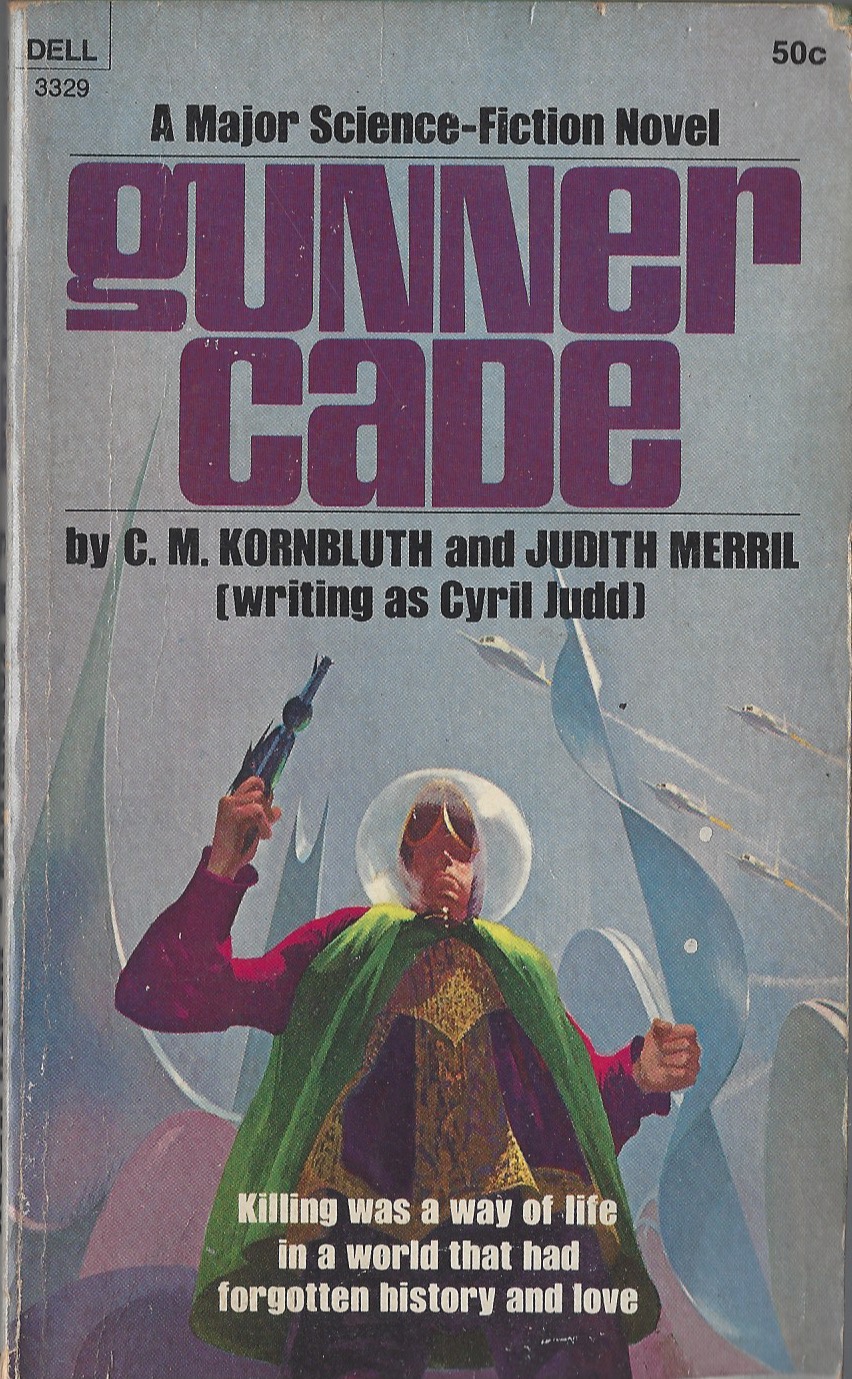
I have been a huge fan of C. M. Kornbluth since first I read “The Little Black Bag” and “The Marching Morons” as an impressionable teenager. Here he teams up with Judith Merrill to create the story of Gunner Cade, military Science Fiction from the time before Dorsai and whatever current war SF is thrilling the kids today. The story of soldier Cade is a fascinating one, where Kornbluth and Merrill (writing as Cyril Judd) create a rigidly segmented far-future society with sparkling imaginative touches. The novel shows how ’50s sci-fi could pummel the reader with amazing ideas and trenchant commentary all while telling a terrific story. Sure there are some silly points, but that’s true of most books. And that headlong rush to the plot’s denouement is a wild and quite enjoyable ride.
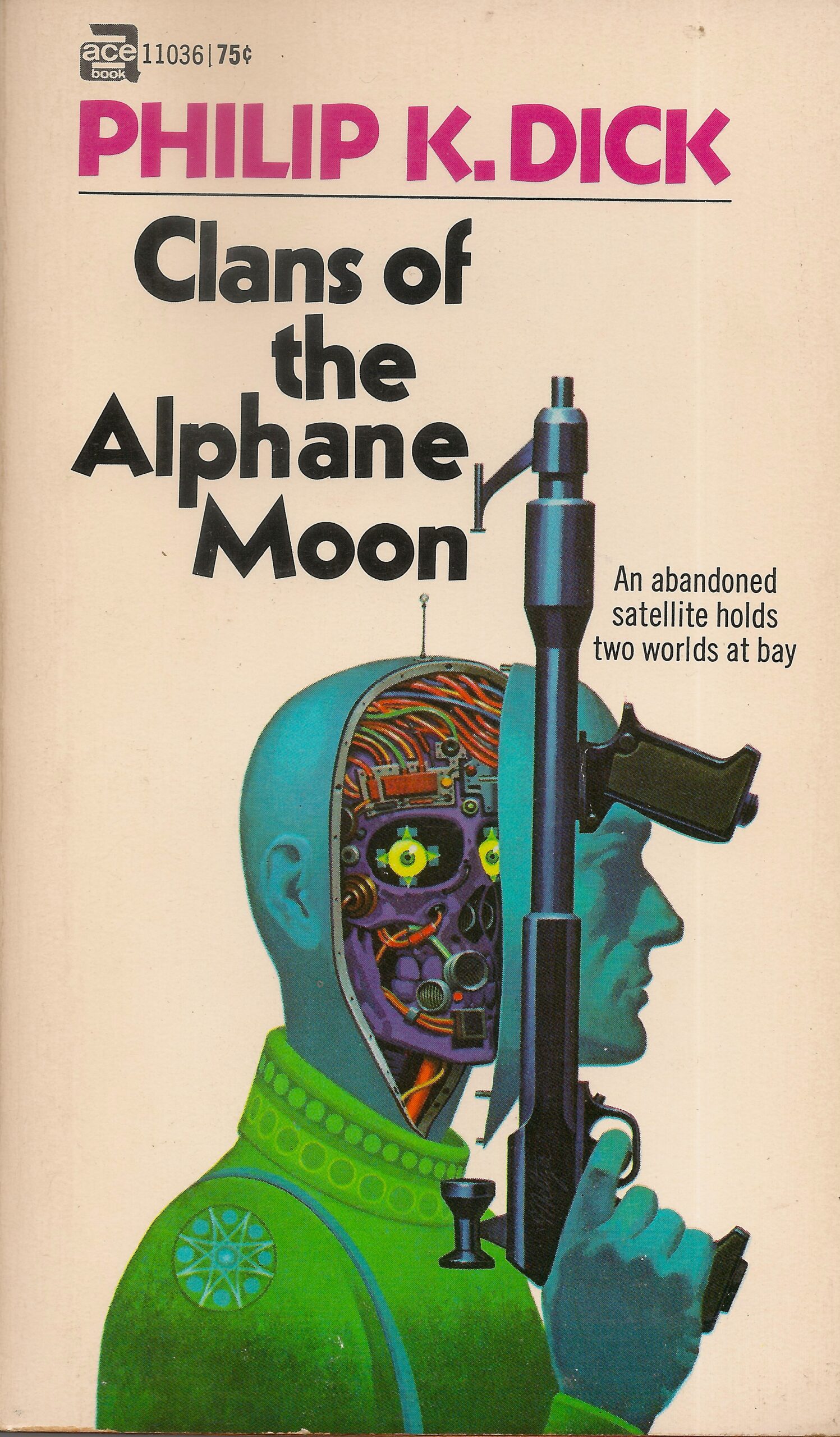
One thing I’ve been engaged in over the last few time periods is a re-read (so far) of the Philip K. Dick novels in publication order, and thus I came to Clans Of The Alphane Moon. I loved this the first time I read it and I loved it this time around. It’s an excellent working out of another of PKD’s unusual conceits, the mental hospital that forms its own strange government and special interest groups. (Sort of like San Francisco politics, perhaps.) A crazy SF use of psychology, true, and the wish fulfillment ending and other points shows once again how little Dick seemed to understand women or at least some of their aspects (most?), but the kooky story of how the domestic squabbles of two not-very-nice people turn the grinding wheels of two space empires is very enjoyable and well worked out. And of course the slime mold is a winning character.
| # | Read | Author | Title | Genre |
|---|---|---|---|---|
| 1711 | 1/23/26 | Erle Stanley Gardner | The Case Of The Empty Tin | Mystery |
| 1712 | 1/23/26 | Wallace Fowlie | Rimbaud and Jim Morrison: The Rebel as Poet | Literary Criticism |
| 1713 | 1/24/26 | C.M. Kornbluth & Judith Merril (as Cyril Judd) | Gunner Cade | SF & Fantasy |
| 1714 | 1/25/26 | William S. Burroughs | Nova Express | Fiction |
| 1715 | 1/25/26 | Philip K. Dick | Clans of the Alphane Moon | SF & Fantasy |
| 1/25/26 | Mike Baron | Badger #46 | Comics | |
| 1/25/26 | Mike Baron | Badger #47 | Comics | |
| 1/25/26 | Mike Baron | Badger #48 | Comics | |
| 1716 | 1/27/26 | John Farman | The Very Bloody History of Britain (Without the Boring Bits!) | History |
| 1717 | 1/27/26 | Carolyn Keene | The Secret of the Old Clock | Children’s |
| 1718 | 1/27/26 | Raymond Chandler & Robert B. Parker | Poodle Springs | Mystery |
| 1719 | 1/28/26 | Carolyn Keene | The Secret at the Hermitage | Carolyn Keene |
| 1720 | 1/28/26 | Carolyn Keene | The Hidden Staircase | Children’s |

I loved these strange mysteries from the so-called ‘golden age’ of detective fiction, though Ernest Bramah—the creator of Max Carrados, perhaps fiction’s first blind detective—was a literary polymath, writing humor and political and supernatural fiction in addition to crime stories, as well as creating the (possibly problematic to this age full of problems) character Kai Lung. In Max Carrados Mysteries, my biggest problem is one other readers may also have, that I am not convinced that the titular detective is in fact blind. Still and all, these are craftily crafty crafted tales of wonder, and I found all but one to be very well thought out mystery stories and liked them very much. The one exception, “The Strange Case of Cyril Bycourt”, I found to be a bit much, but my tastes rarely run to supernature especially as an explanation in mysteries, though on the other hand the low frequency explanation for ghosts shows that perhaps it is I who have the closed mind.
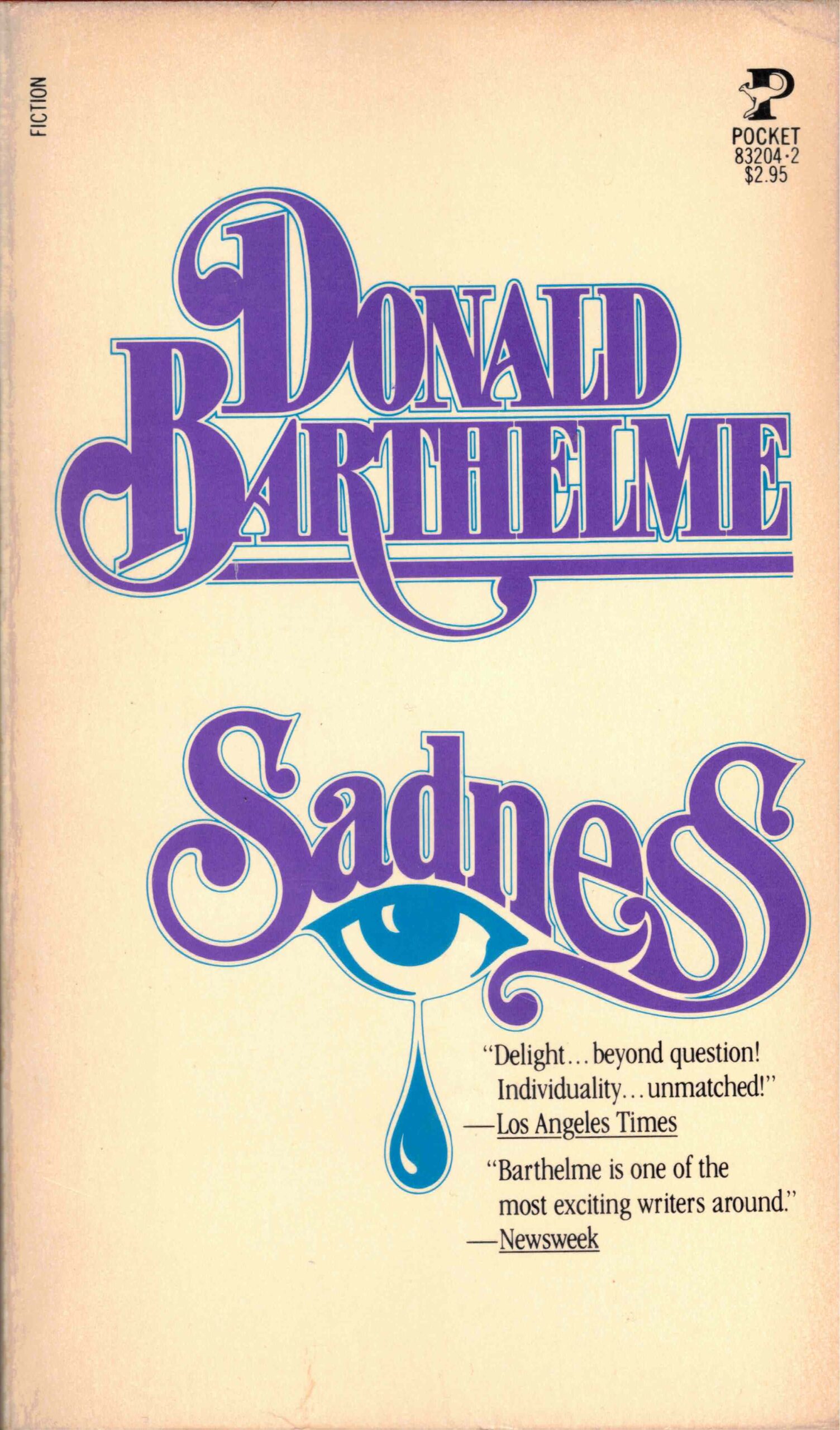
Right up front I should give warning to prospective readers of Sadness by Donald Barthelme. If you love Barthelme, you’ll find much to love here. If you like him only some of the time, you’ll only find some of these stories to your liking. And if you haven’t read him at all … well, I’m not sure if this is the collection to start with. Me, I loved these perfect little stories of affecting disaffection and fascinating ennui. I think Barthelme is hot stuff, and this set of tales has a lot of fire, especially the first (perhaps highly autobiographical) story, the weird Paul Klee piece, and the “Rise of Capitalism”. Your mileage may vary. (I know mine does.)
| # | Read | Author | Title | Genre |
|---|---|---|---|---|
| 1721 | 1/29/26 | Rex Stout | Three Men Out | Mystery & Thriller |
| 1722 | 1/29/26 | Ernest Bramah | Max Carrados Mysteries | Mystery & Thriller |
| 1723 | 1/29/26 | Carolyn Keene | The Bungalow Mystery | Children’s |
| 1724 | 1/29/26 | Donald Barthelme | Sadness | Fiction |
| 1725 | 1/30/26 | Georges Simenon | Sunday | Mystery |
| 1726 | 1/30/26 | Carolyn Keene | The Secret of Shadow Ranch | Children’s |
| 1727 | 1/30/26 | Carolyn Keene | The Secret of Red Gate Farm | Children’s |
| 1728 | 1/31/26 | Carolyn Keene | The Clue in the Diary | Children’s |
| 1729 | 1/31/26 | Arthur William Upfield | The Mountains Have a Secret | Mystery |
| 1730 | 1/31/26 | Carolyn Keene | The Message in the Hollow Oak | Children’s |
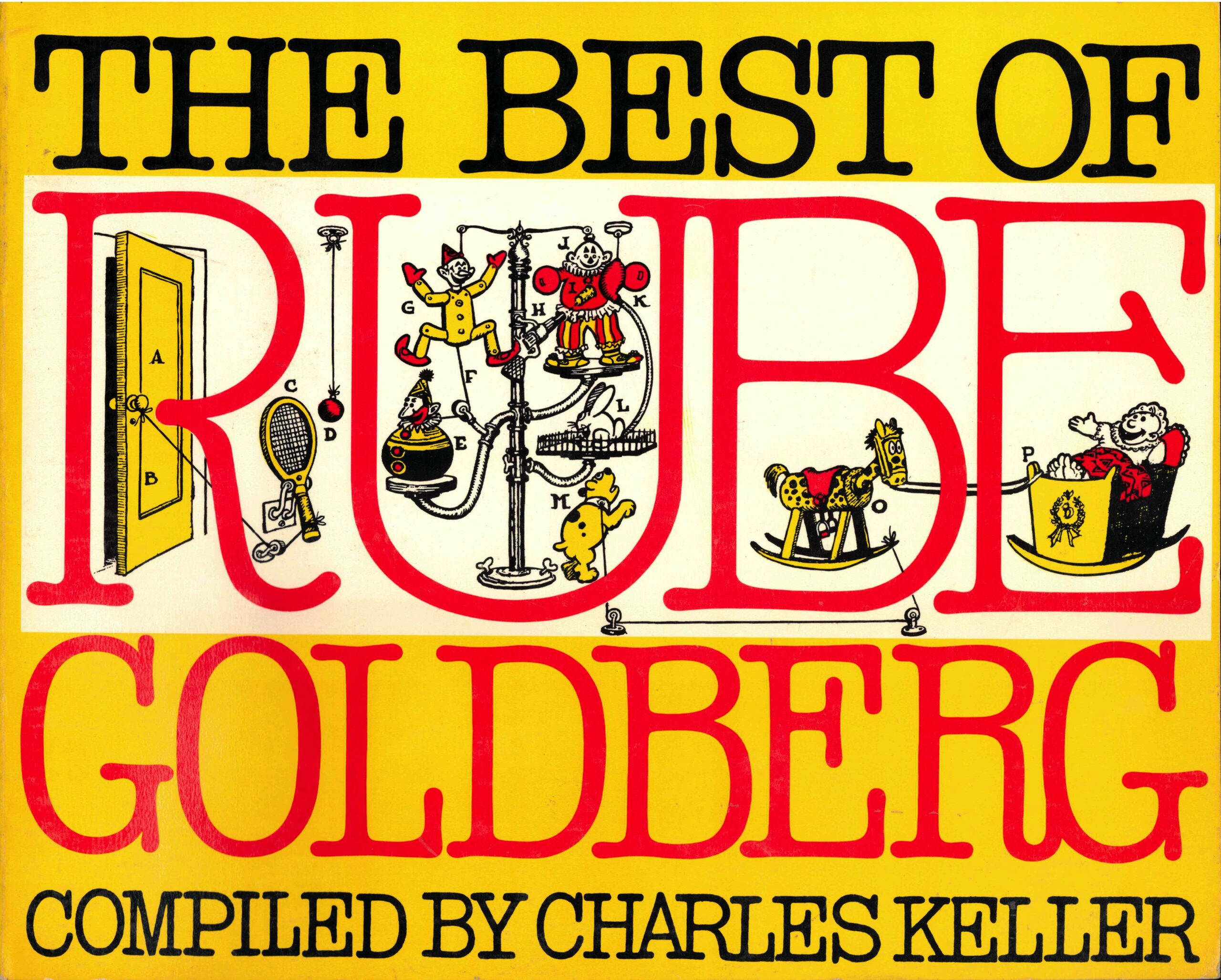
In this slim volume (144 pages) are a plethora of the strangest ‘inventions’ to come from the mind of man. The Best of Rube Goldberg lives up to its title, and may be too much to read all in one sitting. Not only does Mr. Goldberg point out in his kindly way how much effort we will go to just in order not to get up from the chair to shut the window, for example, but he also slyly notes well the ‘accepted ideas’ of our time (well, his time) just as Flaubert did for the bourgeois ideas of his time. Readers will also notice actual objects and inventions which have disappeared in our oh-so-modern world, such as the (apparently) ever-present expanding hat rack. True, the humor can be dated, and will offend some, but I found it funny. Of course, I offend some.
Boy these are perfect little tales. In Cosmicomics, the justifiably famous Italo Calvino writes like Gamow if that science writer had been a litterateur … and a much better writer. The science is good—as good as Calvino’s contemporary sources at least—but the magic is how he takes the tiniest kernel of science fact and spins insightful stories about age-old human habits and longings and regrets and life. I particularly liked “The Aquatic Uncle”—about our aging relatives with their old prejudices that we misunderstand at our peril—and “The Dinosaurs”—how perspective changes with time and our own presence in the past now being critiqued by the now—, but almost all of these stories are powerful stuff.
| # | Read | Author | Title | Genre |
|---|---|---|---|---|
| 1731 | 2/1/26 | June-Alison Gibbons | The Pepsi Cola Addict | Fiction |
| 1732 | 2/2/26 | Carolyn Keene | The Clue of the Whistling Bagpipes | Children’s |
| 1733 | 2/3/26 | Frederik Pohl & Jack Williamson | Starchild | SF & Fantasy |
| 2/4/26 | Rube Goldberg | The Best of Rube Goldberg | Humor | |
| 1734 | 2/4/26 | Victor E. Kappeler, Mark Blumberg, & Gary W. Potter | The Mythology of Crime and Criminal Justice | Law |
| 1735 | 2/5/26 | Dashiell Hammett | The Dain Curse | Mystery |
| 1736 | 2/6/26 | Italo Calvino | Cosmicomics | Fiction |
| 1737 | 2/7/26 | Walpola Rahula | What the Buddha Taught | Religion & Spirituality |
| 2/8/26 | Suresh Chandra Sharma | Tulsidas | Comics | |
| 2/8/26 | Kamala Chandrakant | Uloopi (from the Mahabharata) | Comics | |
| 2/9/26 | Subba Rao / Anand Prakash Singh / Kamlesh Pandey | Valiant Kings of Ancient India: Paurava / Vikramaditya / Baladitya & Yashodharma | Comics | |
| 2/9/26 | Kamala Chandrakant | Vasantasena: An Adaptation of the Famous Sanskrit Play, Mrichchakatikam | Comics | |
| 1738 | 2/11/26 | Talbot Mundy | Tros Of Samothrace: Tros | Fiction |
| 1739 | 2/16/26 | Julian Symons | The Blackheath Poisonings | Mystery |
| 1740 | 2/17/26 | Carolyn Keene | The Quest of the Missing Map | Children’s |

I picked up Daddy Cool by Donald Goines at Green Apple Books in San Francisco, and I’ve rarely gotten more bang for my eight bucks. The blurb on the back of this edition calls the tale Shakespearean, but it’s more—to my mind—Jacobean crossed with Greek tragedy. Daddy Cool is a larger-than-life character trying to escape a world always getting smaller. Some readers will find this powerful book unreadable, and there’s at least one wholly horrific scene. At least one. Really, if trigger warnings mean anything to you, best give this one a pass. But the dénouement unrolls with the inevitability of ancient tragedy or an Icelandic saga.
I’ve had the movie version of The Night of the Generals on my TiVo queue for some time now, waiting until I’d re-read the book before re-watching that classic story of murder amidst murder and madness on a massive scale. And I’m glad I returned to the Hans Helmut Kirst novel with a fairly fresh mind, for this amazing book spoke to me on so many levels, as Kirst no doubt intended it to do. Yes, the book’s ending may be flawed to a certain extent, but the fraught tale demonstrated only too well how memory and history and all that change under the pressure of time and new events and politics, how evil becomes duty becomes creditable action and back again. Doubtless such tales will be needed again in the future, or even in the now.
| # | Read | Author | Title | Genre |
|---|---|---|---|---|
| 1741 | 2/17/26 | Julian Symons | The Detling Secret | Mystery |
| 1742 | 2/17/26 | Donald Goines | Daddy Cool | Mystery |
| 1743 | 2/18/26 | Michael Bonner, ed. | Uncut Magazine May 2025 | Music |
| 1744 | 2/18/26 | John D. MacDonald | The Green Ripper | Mystery |
| 1745 | 2/19/26 | John D. MacDonald | The Dreadful Lemon Sky | Mystery |
| 1746 | 2/21/26 | John D. MacDonald | The Beach Girls | Mystery |
| 1747 | 2/24/26 | John D. MacDonald | Ballroom of the Skies | SF & Fantasy |
| 1748 | 2/27/26 | Andrew J. Offutt | The Iron Lords | SF & Fantasy |
| 1749 | 2/28/26 | Hans Hellmut Kirst | The Night Of The Generals | Mystery |
| 1750 | 2/28/26 | C. M. Kornbluth | The Marching Morons and other famous science fiction tales | SF & Fantasy |

I can hardly speak highly enough of the excellent short stories of Charles W. Chesnutt, and this collection of Conjure Tales and Stories of the Color Line. Chesnutt proves himself a master of the art form with these sly, wry, and sometimes heartrending tales written in the final years of the American 19th Century, and the decades after Reconstruction’s tragic failure. The first dialect stories are great, and his ear is perfect (tho’ I had to read some passages out loud to get the sense—at which point I could hear the voices perfectly). The others are ‘straight’ fictions, and are also amazing, a message from a POV otherwise lost to us, and stories such as “The Sheriff’s Children” and “The Bouquet” show a terrible insight. All but one of these stories are about race, though that one (“Baxter’s Procrustes”) shows the same deviously brilliant mind at work.
Continuing my re-read of Philip K. Dick’s novels in publication order, I did not expect to be so affected by Dr. Bloodmoney, or How We Got Along After The Bomb, but the conclusion swept me along and lifted my up and what a nice ending, for a change. Surprised to see PKD being the voice of hope in overwhelming and dire circumstances but the end of this sometimes vicious story really tied everything together nicely, and the kooky elements (Hoppy, and the dead twin, and … well, did Dr. Bluthgeld really control those bombs, hmm?) were used in what for Dick was a deft and almost light touch.
| # | Read | Author | Title | Genre |
|---|---|---|---|---|
| 1751 | 3/4/26 | Richard Kadrey | Metrophage | SF & Fantasy |
| 1752 | 3/6/26 | Thomas Carlyle | Sartor Resartus | Fiction |
| 1753 | 3/6/26 | A. E. Van Vogt | Pendulum | SF & Fantasy |
| 1754 | 3/8/26 | Charles W. Chesnutt | Conjure Tales and Stories of the Color Line | Fiction |
| 1755 | 3/11/26 | Edwin Newman | Sunday Punch | Fiction |
| 1756 | 3/12/26 | Philip K. Dick | Dr. Bloodmoney, or How We Got Along After The Bomb | SF & Fantasy |
| 1757 | 3/12/26 | Alan Bold, Edward Brathwaite, & Edwin Morgan | Penguin Modern Poets 15: Bold Brathwaite Morgan | Poetry |
| 1758 | 3/13/26 | Ryunosuke Akutagawa | Japanese Short Stories | Fiction |
| 1759 | 3/13/26 | Stephen King | The Colorado Kid | Mystery |
| 1760 | 3/14/26 | Harry Harrison | A Stainless Steel Rat Is Born | SF & Fantasy |

I was surprised by The Invisible Flag, by the pseudonymous Peter Bamm, a Penguin paperback from the ’60s (originally published in 1956), which is a sort of roman à clef about a military surgeon during World War II, sort of a M*A*S*H on the Eastern Front. This tale of a Wehrmacht doctor is really engaging, despite the fact that it acts as apologia for some complicity in the heinous acts of the German Army in WWII—though it is true that the worst offenses were committed by the Waffen SS, not the army per se. (The author never writes the word ‘Nazi’, speaking instead of “the Others”.) And the ‘invisible flag’ trope (of humanity, the writer explains) seems a bit heavy-handed. Still, a fascinating inside look at a strange fraction of a small slice of war from a man who really is a good writer, and lived in those times, in those places.
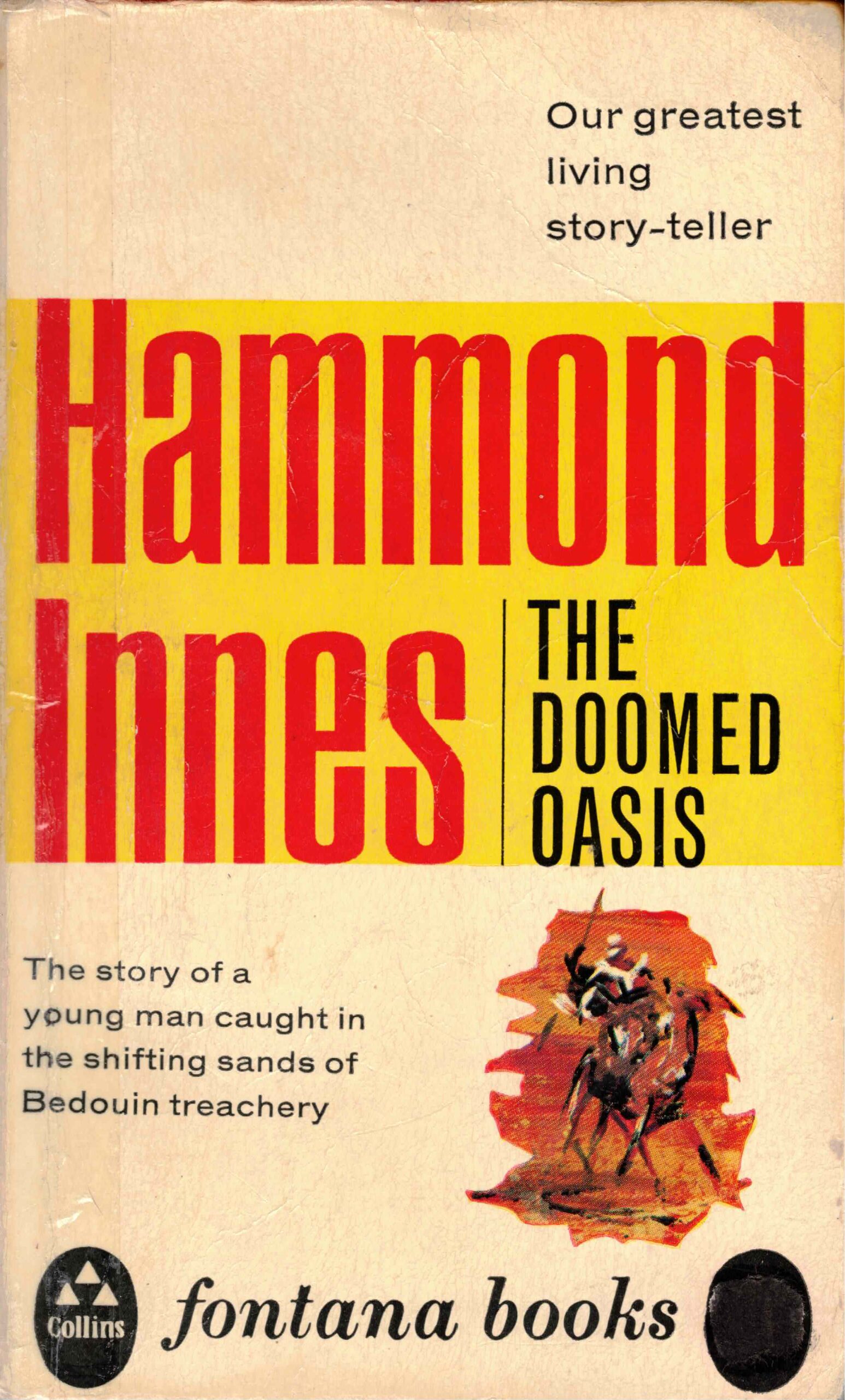
I was tempted to speak of the fantastic Philip K. Dick novel in this next set of 10 books read, or the sprightly little Daniel Pinkwater tale; but I couldn’t bring myself to highlight PKD for the third time (not yet!) in this list of a hundred books, and my notes are sparse on the Snarkout Boys (something about a delightfully walkable affordable city with great goings-on after dark). And the Jim Thompson TV tie-in book Ironside is really just 3rd rate, with creepy musings to boot. So let’s talk instead about Hammond Innes’s The Doomed Oasis.
This is actually a very good novel, a very interesting story of small Arabian sheikhdoms under the influence of big oil and geopolitics writ both large and small. But mostly Innes give us a thrilling story (told almost in a Heart Of Darkness manner) of miscommunication and misunderstandings between a father and son, as well as just about every damn body else. Crazy and brutal with plenty of romance of the desert, as well as the dangers of going native and some insights into just how world commodity markets are made at the ground level. Superseded by time and passing events, but aren’t we all?
| # | Read | Author | Title | Genre |
|---|---|---|---|---|
| 1761 | 3/15/26 | Office of Civil Defense | In Time of Emergency: A Citizen’s Handbook on … Nuclear Attack … Natural Disasters | Militaria |
| 1762 | 3/17/26 | Joseph Koenig | False Negative | Mystery |
| 1763 | 3/19/26 | Peter Bamm | The Invisible Flag | Fiction |
| 1764 | 3/20/26 | Peter Dickinson | The Lively Dead | Mystery |
| 1765 | 3/21/26 | Joe Haldeman | All My Sins Remembered | SF & Fantasy |
| 3/24/26 | Jerry Siegel & Joe Shuster | Superman – Archives, Volume 3 (DC Archive Editions) | Comics | |
| 1766 | 3/24/26 | Philip K. Dick | Now Wait For Last Year | SF & Fantasy |
| 1767 | 3/24/26 | Calvin M. Knox [Robert Silverberg] / A. E. Van Vogt | One Of Our Asteroids Is Missing / The Twisted Men [Ace Double F-253] | SF & Fantasy |
| 1768 | 3/25/26 | Daniel Pinkwater | The Snarkout Boys & The Avocado of Death | Children’s |
| 1769 | 3/26/26 | Jim Thompson | Ironside | Mystery |
| 1770 | 3/28/26 | Hammond Innes | The Doomed Oasis | Thriller |

Now we come to one of those works which we already know, just like I knew about Rosebud long before I finally saw Citizen Kane. I mean, besides the Hitchcock silent movie, there were two other talkies in black and white, all of which I’ve seen. Not to mention the two separate radio adaptations on Suspense (both of which I’ve heard; seriously, check out all the Suspense episodes—they’re great!) There was even a Doctor Who episode based loosely on the novel. Heck, I’ve even seen my daughter in the play, which I hadn’t even mentioned yet. All of which means that when I came to read The Lodger by Marie Belloc Lowndes (and yes, she was Hilaire Belloc’s sister), I thought I knew the story every which way. And indeed, I did know the plot, and the pacing, and the primary focus on Ellen Bunting and her ‘Is he? Isn’t he?’ worry throughout the story. (The novel is a 1913 expansion of Lowndes’s original short story of 1911.) What I wasn’t expecting was just how darkly oppressive and ever-tightening this suspense book proved to be, strangely compelling for a hundred-year-old work. I also never expected what appears to be the primary difference from the plays and movies, in what I suppose we’re still calling Stockholm Syndrome though that like all else is discredited and no more heroes anymore.

Unexpected as well was the cornucopia of poetic wonders in Another Republic: 17 European and South American Writers, an old anthology (50 years old now) of poets more unknown then than perhaps they are now—which shows perhaps that this collection has done its job. Thus Milosz and Paz and Cortázar and even Pessoa are fairly familiar to the 1% of people who read poetry (if I’m being generous), with Milosz perhaps already past his ‘sell by’ date for some. And I was already a huge fan of Amichai, having been introduced to his work by a co-worker back before the first tech bubble burst. But authors such as Parra, Ritsos, Ponge, Celan, and (especially!) de Andrade were sheer revelation, and have been added to my list of people to search for when haunting bookstores. True, my tastes run to the more surrealist side of writing, at least this sort of writing, and the works may seem dated to some, all ‘cis-gendered’ and male and like that, but the anthology was important enough to be reissued thirty years after its first publication, and there aren’t a lot of books that rate that anymore, certainly not poetry books. Check it out!
| # | Read | Author | Title | Genre |
|---|---|---|---|---|
| 1771 | 3/29/26 | Daniel J. Pinkwater | The Snarkout Boys & the Baconburg Horror | Children’s | 1772 | 3/30/26 | Tarthang Tulku | Gesture of Balance: A Guide to Awareness, Self-Healing, & Meditation | Religion & Spirituality |
| 1773 | 3/30/26 | Marinos of Neapolis | Marinos of Neapolis, the Extant Works: or, the Life of Proclus and the Commentary on the Dedomena of Euclid | Philosophy |
| 1774 | 3/31/26 | John Lennon | In His Own Write & A Spaniard In The Works | Poetry |
| 1775 | 3/31/26 | Michael Bonner, ed. | Uncut Magazine June 2025 | Music |
| 1776 | 4/2/26 | Glenn B. Infield | Secrets of the SS | History |
| 1777 | 4/3/26 | Marie Belloc Lowndes | The Lodger | Mystery |
| 1778 | 4/4/26 | Robert van Gulik | The Red Pavilion | Mystery |
| 1779 | 4/5/26 | Charles Simic & Mark Strand, eds. | Another Republic: 17 European and South American Writers | Poetry |
| 1780 | 4/6/26 | Robert Linssen | La Méditation véritable – Etude des pulsions pré-mentales | Foreign Language |

Surprised to see that, though I’ve had several of the Judge Dee mysteries in my Book Lists before (They even appear in my first 100!), I don’t seem to have called them out before. And these historical mysteries by Robert van Gulik definitely should be mentioned, because they are great. So we’ll let The Lacquer Screen stand for all these marvelous tales, and it’s a great story—or stories, rather, because as usual Judge Dee is faced with three different cases (it’s almost always three) in each book. This time Dee has to go ‘undercover’ as they say today and enter the demimonde, well the actual criminal underworld. The underclass and underworld are often subjects of the fictional ancient China of van Gulik, and in this novel I was fascinated by Judge Dee’s ability to travel in and through multiple worlds whilst keeping his integrity intact. Though perhaps the series’s frequent trips to these strange outskirts of civilization show something about Gulik’s own taste for The Strange.
| # | Read | Author | Title | Genre |
|---|---|---|---|---|
| 1781 | 4/7/26 | Robert van Gulik | The Lacquer Screen | Mystery |
| 1782 | 4/8/26 | Ian Fleming | The Man With The Golden Gun | Thriller |
| 1783 | 4/9/26 | Steven Saylor | Rubicon | Mystery |
| 1784 | 4/10/26 | Robert van Gulik | The Emperor’s Pearl | Mystery |
| 1785 | 4/11/26 | Clifford D. Simak | City | SF & Fantasy |
| 1786 | 4/11/26 | Sax Rohmer | The Trail of Fu Manchu | Thriller |
| 1787 | 4/13/26 | Michael Bonner, ed. | Uncut Magazine July 2025 | Music |
| 1788 | 4/13/26 | John Dickson Carr | The House At Satan’s Elbow | Mystery |
| 1789 | 4/14/26 | Mack Reynolds / Claude Nunes | Dawnman Planet / Inherit The Earth [Ace Double G-580] | SF & Fantasy |
| 1790 | 4/16/26 | Margaret Frazer | The Clerk’s Tale | Mystery |
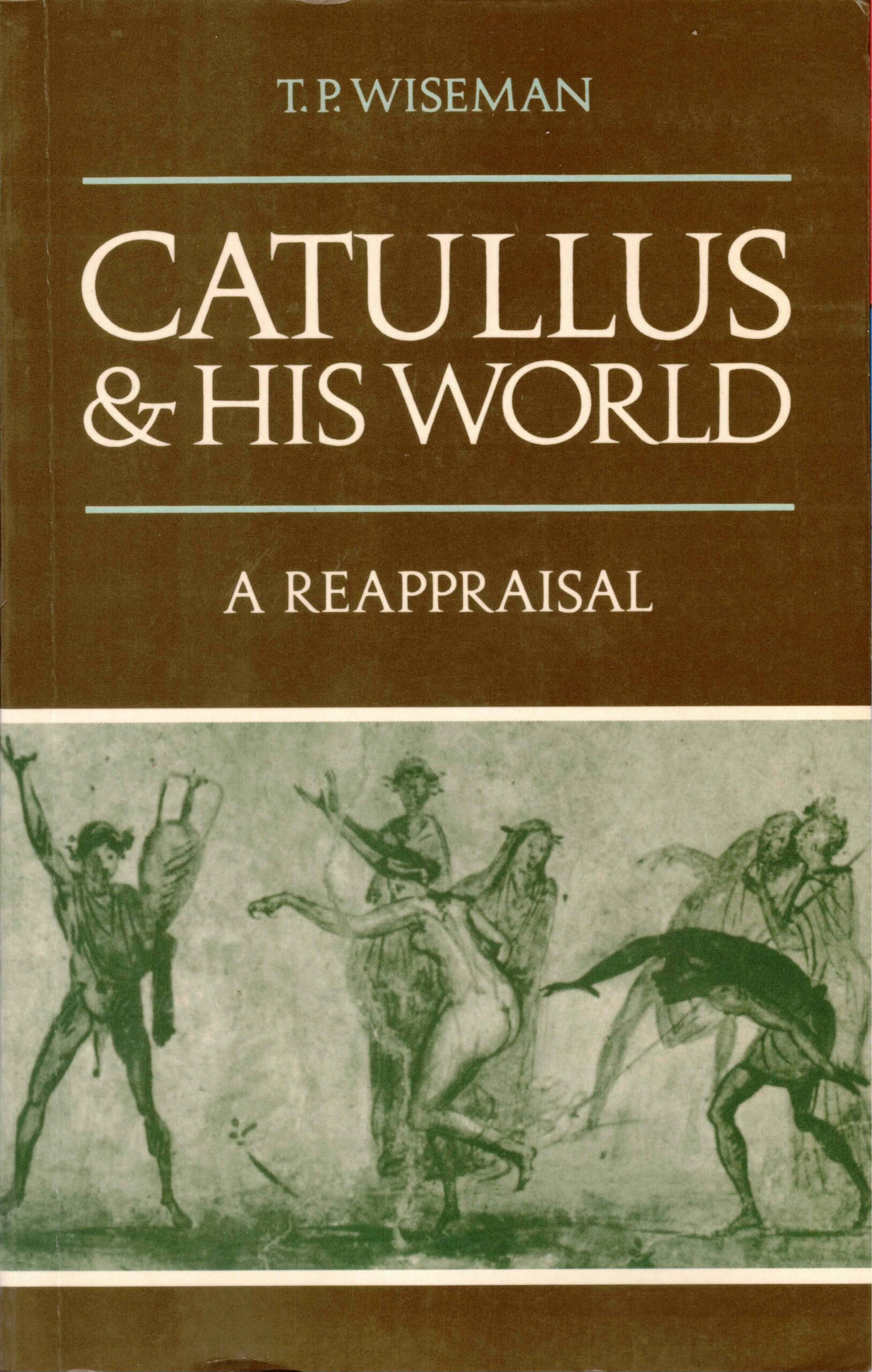
Over a thousand books later (I read Charles Martin’s Catullus as Book #784) I read another of the works about this poet recommended by Steven Saylor (whom I didn’t highlight in the last tranche of books solely because I’ve mentioned him time and time again), the very fine Catullus & His World: A Reappraisal by T. P. Wiseman. I found it to be another excellent work on a poet who I must admit I know very little about and likely—being somewhat of a cracker philistine—understand even less. But it is always a pleasure to read a good writer who knows expertly his subject. While I might doubt the identification of the poet Catullus with the mime playwright, Wiseman makes his case well and boldly, in every field. I even found myself tearing up when reading the David Vessey lines on Lesbia that Wiseman quotes in his closing section on the afterlife of Catullus and his poetry up to our time.

Too big perhaps to read twice in paperback, but the end of this last century of books saw me finish my 3rd read-through of the magisterial The Rise And Fall Of The Third Reich by William L. Shirer. This tome is simply one of the best histories of all time, its depth and insight made possible only by the fortunate capture of so many Nazi documents after World War II. Indeed, some of the revelations make one wonder how many other secrets lie beneath our ‘common knowledge’ of other historical events. But Shirer is very good at what he does, keeping this huge book on track even as he has to make drastic choices as to what to cover (the futile tales of military ‘resistance’ to Hitler) and what he does not (much military history (esp. the naval), and almost all of the War in the Pacific). The sad truth is that far too many people who read this or other histories of the rise and fall of Hitler will take the wrong lesson: instead of ‘maybe one person can never know everything’ they always seem to think, “Well, if it had been me, I wouldn’t have made those mistakes; I’m much too smart for that!” Very very well worth reading, and very readable.
| # | Read | Author | Title | Genre |
|---|---|---|---|---|
| 1791 | 4/17/26 | T. P. Wiseman | Catullus and his World: A Reappraisal | Literary Criticism |
| 1792 | 4/17/26 | Crockett Johnson | Harold and the Purple Crayon | Children’s |
| 1793 | 4/19/26 | Willam L. Shirer | The Rise and Fall of the Third Reich | History |
| 1794 | 4/22/26 | Terry Carr, ed. | Universe 12 | SF & Fantasy |
| 1795 | 4/23/26 | Carter Dickson [John Dickson Carr] | The Plague Court Murders | Mystery |
| 1796 | 4/24/26 | Basil Copper | The Further Adventures of Solar Pons | Mystery |
| 1797 | 4/25/26 | Nigel Pennick | The Complete Illustrated Guide to Runes | Magic & Witchcraft |
| 1798 | 4/26/26 | Andrew J. Offutt | Shadows Out Of Hell | SF & Fantasy |
| 4/27/26 | Jon Morris | The Legion Of Regrettable Supervillains | Comics | |
| 1799 | 4/27/26 | Henry Wadsworth Longfellow | The Laurel Poetry Series: Longfellow | Poetry | 1800 | 4/28/26 | Philip K. Dick | The Crack in Space | SF & Fantasy |
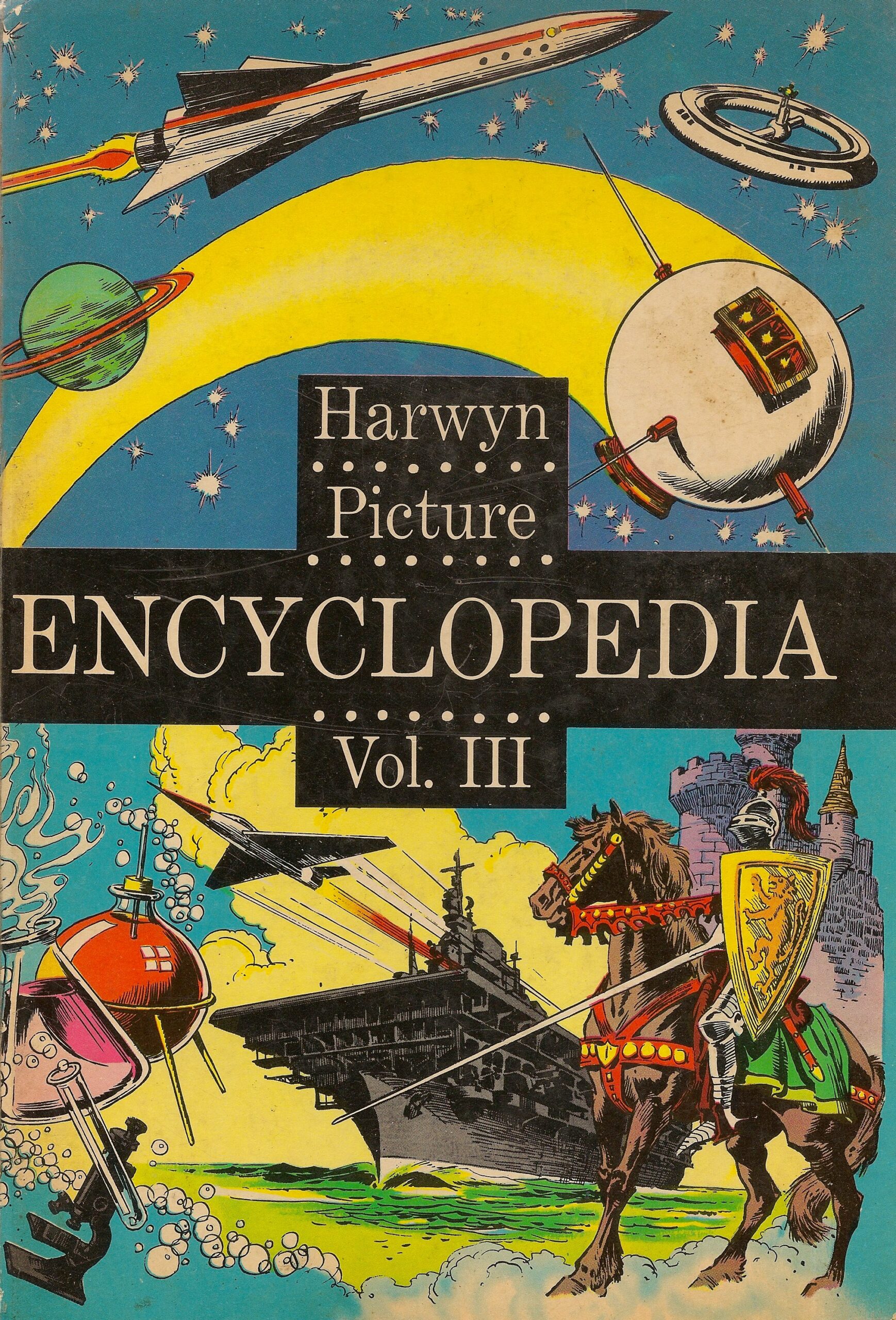
And so another book list of 100 Books Read comes to an end, several months after I finished the PKD novel that ended up being Book #1800. Due to my unconscionable delay, I am already halfway through the next century of books, which began with a cheery read of the kids’ encyclopedia volume pictured here. I’m still tending to read too many short books, though I did maintain an average book length (excluding comics and the ilk) of 215 pages … though that may have something to do with the enormous history of Nazi Germany by Shirer. The next set of 100 will see me reading far too many comics, the result of a silly purchase made while on vacation. Until I finish this next hundred, hope all your books are good books!
The lists of previously read books may be found by following the links: